
After cruising for more than 20 years and sailing on over 50 cruises, I’ve watched the cruise experience change quite a bit. Cruise ships have gotten bigger, dining options have expanded, and some of the newest attractions at sea are pretty incredible.
However, along with all those new additions has come something else: a growing number of upcharges.
Cruising once felt much more all-inclusive. Once you stepped onboard, it seemed like most of the experience was already included in your cruise fare.
These days, it can feel like there’s something extra to pay for around every corner. From specialty dining and activities to onboard experiences most cruisers assume would be included.
In this post, I’m sharing some of the cruise line upcharges that might have you doing a double take, along with a few tips to help you avoid spending more than you planned on your next cruise.
Cruise Ship Upcharges That Have Gone Too Far
Royal Caribbean’s $48 Cupcake Class
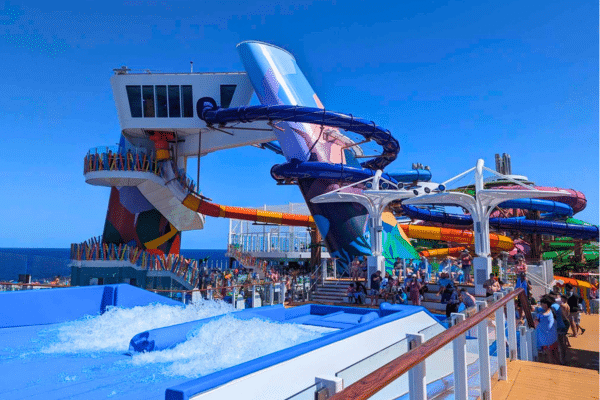
Royal Caribbean offers a 45-minute Sprinkle Time Cupcake Decorating Class on some of its ships, where guests learn to decorate cupcakes with icing, fondant and other decorations. While it sounds like a cute activity, the price can be surprising.
Royal Caribbean does not publish one standard price across every sailing, but a cruiser in April 2026 reported paying about $48 per person after gratuity for a class where they decorated a single cupcake. Another passenger on Symphony of the Seas said they paid a promotional price of about $20 per person and decorated three cupcakes, showing just how much the cost and experience can vary by sailing.
For a family of four, even a $40 to $50 price tag per person can quickly turn cupcake decorating into a $160 to $200 activity, on top of what you already paid for your cruise.
That said, sometimes the value of these experiences is not really about the cupcake. One cruiser in the Life Well Cruised community shared that they did the cupcake-making class with their grandchild.
While they agreed it was expensive, the memory they made together was priceless.
Upcharges at Specialty Restaurants You Already Paid Extra For
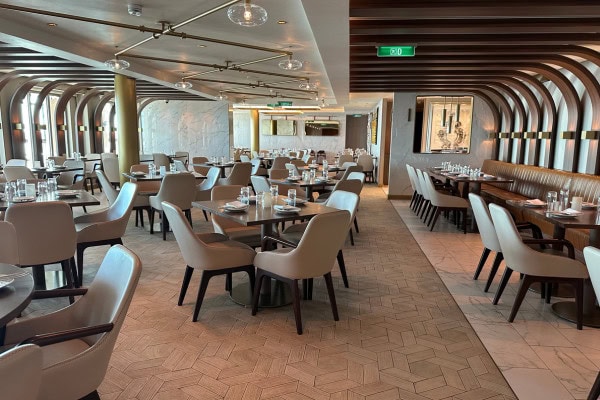
Specialty dining can already cost around $50 to $80 per person, so for a family, one dinner can easily become a couple-hundred-dollar splurge.
For example, Carnival’s Steakhouse currently costs $62.40 per adult, while Norwegian charges between $40 and $60 per person at many of its specialty restaurants.
I don’t mind paying extra for a special meal. What bothers me is paying for that enhanced dining experience, sitting down at the restaurant and then discovering that some of the most tempting items on the menu cost even more.
Norwegian is a good example. Most specialty dining meals include one main course, but if you want a second entrée, there is currently a $25 surcharge. Premium selections can also come with an additional charge.
At La Cucina, for instance, the restaurant has a $40 cover charge, but adding a lobster tail to your entrée costs another $25.
Royal Caribbean does something similar. Even cruisers who purchase the Unlimited Dining Package can encounter extra charges for premium items. Royal Caribbean specifically notes that upgraded steaks and the seafood tower at Chops Grille come with an additional upcharge.
For me, when you’re already paying a premium to eat at a specialty restaurant, the meal should feel special without having to constantly check the menu for another dollar sign. Of course, you can simply skip those premium selections, but it’s still frustrating to arrive at an restaurant you’ve already paid extra for and find yet another level of upselling waiting for you.
Paying Extra Just to Find a Quiet Lounge Chair
I’ve actually sailed with access to Norwegian Cruise Line’s Vibe Beach Club twice, and I really enjoyed it. It’s a great space.
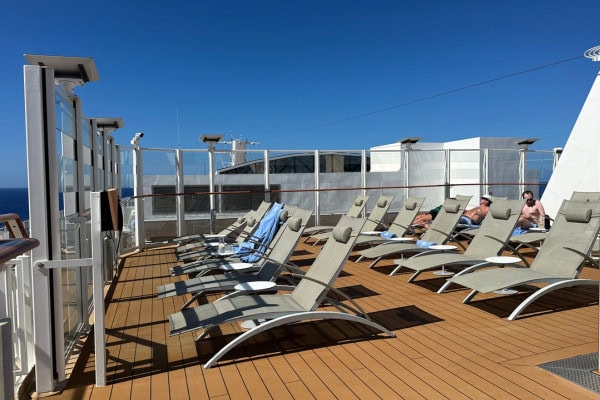
Vibe is adults-only, capacity is limited, and guests get upgraded lounge chairs, hot tubs, bar service and a much quieter atmosphere than you’ll typically find around the main pool deck. NCL even promotes guaranteed loungers as one of the benefits of buying a Vibe pass.
The problem I have isn’t really with Vibe itself. It’s that on some Norwegian ships, the regular pool deck can already feel quite small for the number of passengers onboard. Norwegian Aqua, for example, carries thousands of guests, yet many cruisers have noted that its main pool area feels small for a ship of its size.
When lounge chairs around the regular pool deck are difficult to find, paying hundreds of dollars for access to a quieter deck with a guaranteed lounger starts to feel less like a luxury and more like a solution to a problem that shouldn’t exist in the first place.
Vibe pricing varies by ship and sailing length, but a seven-night pass has started around $249 per person, with prices potentially going higher depending on the cruise. That means a couple could spend $500 or more just to have access to a quieter adults-only deck for the week.
Again, I actually like Vibe and would sail with access to it again. However, I can’t help wondering what the pool deck experience would be like if more of that space were simply available to everyone. If there were more loungers and another complimentary adults-only relaxation area, passengers would naturally spread out around the ship.
Instead, when the regular pool deck is packed and there’s a peaceful area nearby with plenty of loungers behind a paywall, it can certainly feel like you’re being encouraged to spend even more money just to find a relaxing place in the sun.
Related: Is Norwegian Cruise Line’s Vibe Beach Club Worth it?
When Cruise Line Private Islands Stop Feeling All-Inclusive

When I first started visiting cruise line private islands more than 15 years ago, part of the appeal was how simple the day was.
The private island felt like an extension of the ship. You got off, found a lounge chair on the beach, had lunch, went for a swim and relaxed. If you wanted to head back to the ship, it was right there.
Best of all, it was one port day where you really didn’t have to worry about spending much money. However, private islands have changed a lot since then.
Today, some cruise line private destinations feel more like theme parks, with plenty of opportunities to spend money throughout the day. There are waterparks, adults-only beach clubs, premium restaurants, cabanas, zip lines and upgraded areas, all available for an additional charge.
Royal Caribbean’s Perfect Day at CocoCay is probably one of the best examples. To be fair, there is still a lot included. Admission to the island is complimentary, as are beaches, lounge chairs, Oasis Lagoon and five dining venues.
However, experiences like Thrill Waterpark, Coco Beach Club and the adults-only Hideaway Beach all cost extra. Royal Caribbean currently lists Hideaway Beach passes starting at $39 per person, although pricing varies considerably depending on the sailing.
Norwegian has gone in a similar direction with Great Stirrup Cay. Its new Great Tides Waterpark has 19 waterslides, an 800-foot Wandering River, cliff jumps and a large kids’ splash area. It looks impressive, and I recently had the chance to experience it myself.
However, admission is currently listed from $89.99 per person for both adults and children. For a family of four, that is at least $359.96 just to visit the waterpark for the day. It’s worth noting that prices can vary by sailing and availability.
Even once you pay for the waterpark, there can still be additional spending opportunities. NCL says complimentary food is available inside Great Tides, but upgraded food selections are also available for purchase.
I’m not saying these upgraded experiences shouldn’t exist. Waterparks and beach clubs can be a lot of fun, and cruisers should have the option to spend more if they want to.
However, I do miss when a cruise line private island was simply an easy, relaxing and mostly all-inclusive beach day. What was once one of the least expensive port days of the cruise can now easily turn into one of the most expensive, especially for families.
Charging Extra for Wi-Fi in 2026
Charging extra for Wi-Fi in 2026 feels a little ridiculous.
Wi-Fi is standard at hotels, airports, shopping malls and coffee shops, yet cruise lines can still charge a lot just to stay connected.
Carnival’s Premium Wi-Fi currently costs $25.50 per day when purchased before the cruise, while Norwegian’s Streaming Voyage Wi-Fi Pass costs $39.99 per day. Over a week, that can add hundreds of dollars to your vacation.
Most people today want at least basic internet access to message family, check emails or look up travel information. Some cruise lines, including Virgin Voyages, already include Wi-Fi with the fare.
Personally, I’d love to see basic Wi-Fi included as an industry standard, with cruisers only paying extra for faster speeds, streaming or multiple devices.
How To Avoid Up Charges
Consider a More Inclusive or Luxury Cruise
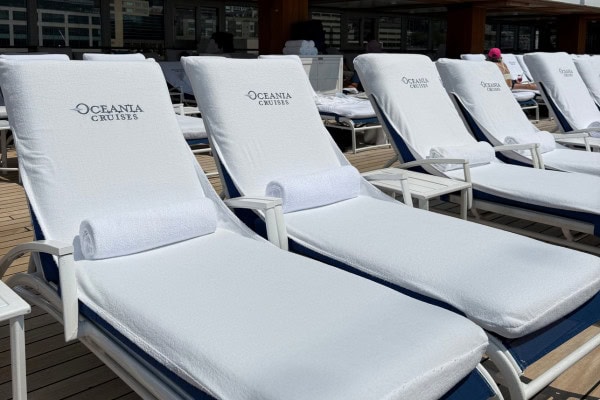
One way to avoid constant upcharges is to choose a cruise line where more is included in the fare.
I recently sailed on my first luxury cruise with Oceania, and one of the biggest differences I noticed was how little I thought about spending money once I was onboard. Most of what I wanted was already included, and when there was an extra charge, it never felt like it was being pushed in front of me.
There also weren’t crew members trying to sell photo packages, drink packages or spa appointments throughout the cruise. The attitude almost felt like, if you wanted to spend extra money, you had to go looking for somewhere to spend it.
Of course, luxury cruises usually come with a higher upfront price. However, when you compare the total cost of a mainstream cruise after adding Wi-Fi, drinks, specialty dining and other extras, the price difference may not be as large as it first appears.
If constant upselling bothers you, it may be worth comparing a more inclusive cruise rather than only looking at the starting cruise fare.
Buy a Bundle and Pay More Upfront
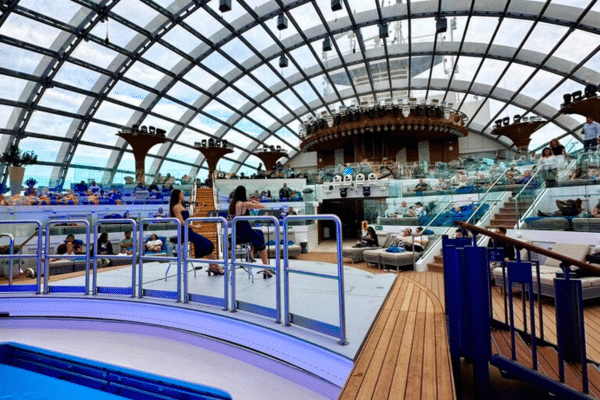
Another way to avoid feeling nickel-and-dimed onboard is to purchase one of the cruise line’s bundled packages.
On our last Princess cruise, we had Princess Premier. It was definitely more expensive upfront, but once we were onboard, almost everything we wanted was already covered.
With Princess Premier, we had the drink package, Wi-Fi, crew appreciation and specialty dining included.
The biggest benefit for me was knowing what the cruise was going to cost ahead of time. We could enjoy the specialty restaurants, order drinks and stay connected without constantly thinking about how much we were adding to our onboard account.
Most importantly, we didn’t finish our cruise with a big bill waiting for us.
Princess Premier currently costs $100 per person, per day when purchased before the cruise on most Princess ships, and $105 per person, per day on Sun Princess and Star Princess.
It certainly isn’t cheap, so you still need to do the math based on what you’ll actually use. However, for cruisers who would normally purchase Wi-Fi, drinks and specialty dining anyway, bundling those extras can make the cruise feel much more all-inclusive.
Set a Budget and Stick to It
There’s nothing wrong with splurging a little on vacation. After all, you’re on a cruise and you should enjoy yourself.
However, setting a budget before your cruise can make it much easier to say no to all those tempting extras once you’re onboard.
Cruise lines are very good at making specialty restaurants, spa treatments, activities and other add-ons look appealing. The good news is that there are still plenty of included things to eat, see and do on a cruise without spending much extra at all.
Decide ahead of time how much you’re comfortable spending on extras, and choose what you really want to splurge on. Having that number in mind makes it much easier to skip the things that aren’t worth it to you and avoid an unpleasant surprise on your final cruise bill.
Final Thoughts on Ridiculous Cruise Line Upcharges
Although some cruise line upcharges can feel outrageous, and at times even downright greedy, I still believe a cruise vacation offers great value.
At the end of the day, so much is still included in your cruise fare. Your accommodations, meals, entertainment, activities and transportation from one destination to another are all part of the experience.
That is a big reason why cruising continues to be one of my favorite ways to travel.
Sure, some things that were once included now come with an extra charge. That can be frustrating, but it is also something we see in plenty of other industries.
For me, the key is knowing what is included before you cruise, deciding what is actually worth paying extra for, and not feeling pressured to buy every upgrade that comes your way.
You can absolutely have an amazing cruise without spending a fortune on extras. Furthermore, when an upgrade really does make your vacation better, it can be worth the splurge.
What cruise line upcharge do you think is actually worth paying for? Please let me know in the comments below.
Happy Cruising!
Ethan