
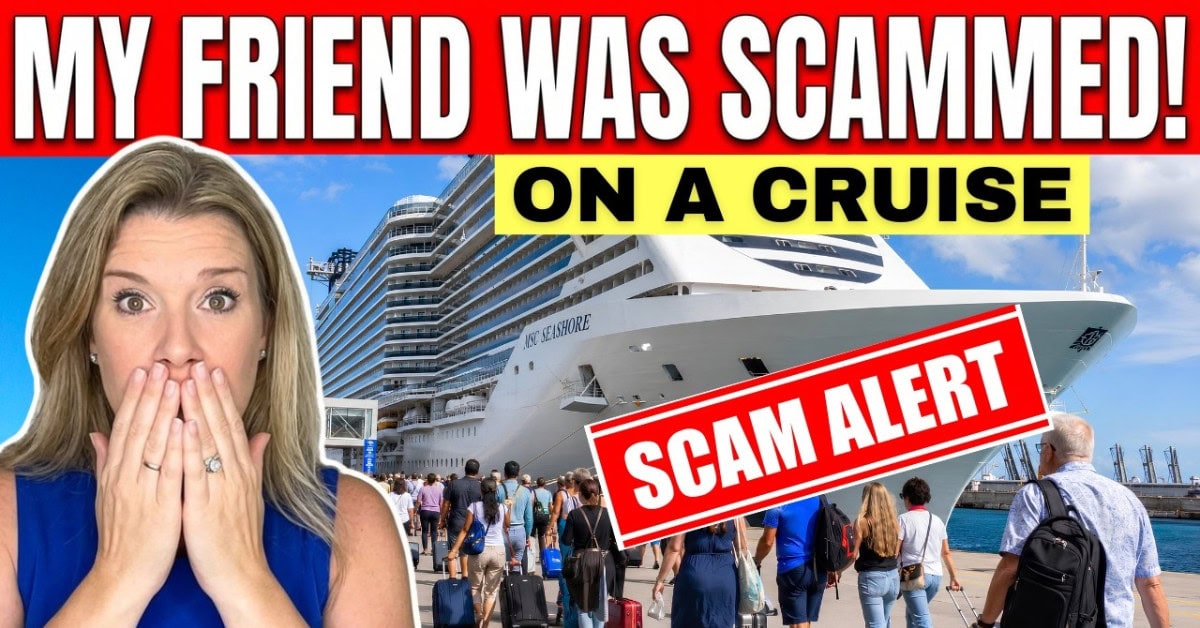
Cruise scams are getting smarter, and they’re catching more people than you might think. A close friend recently shared something that happened to her on a cruise that I had honestly never heard of before, and when I looked into it, it turned out to be far more common than any of us realized.
Whether you’re heading out on a Caribbean cruise, an Alaska cruise, or a Mediterranean sailing, these are all things that could potentially happen to you. I’m not sharing this to scare anyone. Knowledge is your best protection, and being aware of the newer scams out there is what stops you from getting caught out.
One of the scams I’m covering today seems to be happening particularly in the solo cruise traveler community, so if you’re planning to cruise solo, please pay especially close attention. That said, every cruiser should know about all of them.
Scam #1: Unlicensed and Fake Taxi and Rideshare Drivers
This one can happen right at the airport before your cruise even begins, and it’s something my own family has come across more than once. Be very careful about getting into any car where the driver approaches you rather than you going to them.
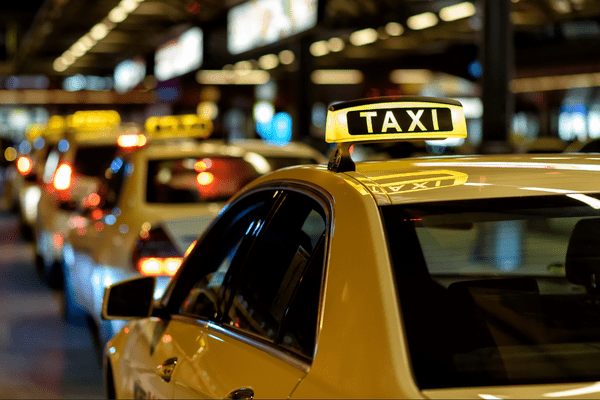
Here’s how it typically plays out. A driver walks over to you, parked across the street rather than in the official taxi lane, and asks if you need a ride. They might even be holding up a sign that says “taxi,” and once you’re in the car, you realize it’s not an official taxi at all and you genuinely don’t know whose vehicle you’re in.
The same trick happens with rideshare scams. A common one is someone standing outside the cruise terminal holding a phone with “Uber” displayed on the screen, which does not make them an Uber driver. Always stay within the official app, confirm your driver’s name and plate before you get in, and only use taxis from the designated taxi lane.
The “My Card Machine Is Broken” Cash Scam
This variation tends to happen more in Europe, though it can crop up anywhere. You’re in a licensed taxi, the ride gets underway, and the driver announces his card machine isn’t working and asks for cash.
If you say you don’t have any, he offers to drive you to the nearest ATM. The last thing you want is to be taken to an unfamiliar ATM by a driver you don’t know, so ask about the card machine as soon as you get in, and always carry a small amount of local cash just in case.
Scam #2: AI-Powered Fake Travel Websites and Channels
A lot of us know that AI-generated content is out there, but what many cruisers don’t realize is just how much of it is designed to mislead. Fake YouTube channels, fake travel websites, and fake social media accounts in the cruise niche are sharing false information that can look completely convincing at first glance.
The bigger risk, though, is not just bad advice. It’s what happens when you hand over your personal information to these accounts. Many of them ask you to sign up for an email list, join a Facebook group, or become part of an online community, and when you do, you’re voluntarily giving your details to people whose intentions you can’t verify.
From there, that personal information can be used against you in phishing emails, fake booking scams, and targeted travel fraud. Scammers can also purchase your data from data brokers, meaning your name, email address, phone number, and even your travel patterns may already be circulating without your knowledge.
This is exactly why it matters where you get your cruise information from and who you’re giving your details to online. If something feels off about a website or channel, trust that instinct.
Scam #3: The Cabin-Sharing Scam (Especially for Solo Cruisers)

This is the one that happened to my friend, and it’s something I want every solo cruiser to be aware of. If you’ve spent time in solo cruising Facebook groups, or groups for specific cruise lines or sailings, you may have seen posts from people looking to share a cabin to split the cost.
The pitch usually goes one of two ways. Either someone says they already have a cabin and are looking for a person to share it and split the fare, or they say their family is on a particular cruise and they’re looking for a cabin-share to join them.
For a solo cruiser facing the double occupancy supplement, it can sound like a genuinely good deal. Here’s what you need to understand before you consider it: the person who books the cabin is ultimately responsible for everything that happens in it.
Even if your cabin-mate transfers money to you, you’re still on the hook for any issues that arise. And those issues can get complicated very quickly.
What Can Actually Go Wrong
A member of our cruise community shared what happened in a situation like this firsthand. The second person in the cabin, after a couple of days at sea, went down to guest services and made a complaint about their cabin-mate.
In some cases, that person ends up being moved to their own cabin, which might sound like the problem is resolved. The issue is that the formal complaint still gets attached to the original booker’s account, and that can follow you.
There’s also the question of onboard credit. If you have credit associated with your cabin, it’s split between both passengers, meaning your cabin-mate can use it.
And if there’s a drink package on the cabin and the second passenger abuses it, the package can be removed for both of you. Cruise security staff have noted that many people simply aren’t aware of how closely the two passengers in a cabin are linked when it comes to accountability.
Just because someone seems friendly online, or you’ve chatted before sailing, doesn’t mean you truly know them once you’re both on the ship. It’s never worth putting yourself in a potentially unsafe situation to save money on the solo supplement. If you’re cruising solo and looking to cut costs, there are much safer ways to do it.
Scam #4: Fake Excursion Scams in Facebook Groups
Port scams have always been something cruisers need to watch for when going ashore, but there’s a newer version playing out entirely online before you even set foot in a port. This one is happening in Facebook groups, and it’s costing people real money.

Here’s how it works. Someone posts in a cruise Facebook group about a fantastic excursion they’re putting together in one of your upcoming ports, advertising a third-party tour at an incredible price, and the only requirement is that you pay a deposit or the full amount in advance through Venmo or another cash app.
Many of these so-called group excursions simply don’t exist. The money gets sent, the cruise date arrives, and there’s no tour, no guide, and no way to get a refund.
Even if the person posting seems genuine and is apparently organizing a group of cruisers, you have no real way to verify the excursion is legitimate. If someone messages you privately about a port deal after you’ve commented on a post, treat that with real caution and don’t enter into DM conversations with people you don’t know.
How to Protect Yourself from Fake Excursion Posts
- Only book port excursions through the cruise line directly or through established third-party operators with verifiable reviews and a proper website.
- Never pay through personal cash apps like Venmo or Zelle for any travel service, as legitimate tour operators accept credit cards, which give you buyer protection.
- Be extra cautious when a deal in a Facebook group seems significantly cheaper than anything else you can find, because if it looks too good to be true, it almost certainly is.
- If you ever spot anything suspicious in a cruise group, flag it for the admins straight away, as even well-managed groups can have scammers slip through.
Final Thoughts
Scammers targeting cruisers are getting more sophisticated every year, and they’re showing up in places we don’t always think to look: airport arrivals, taxi ranks, social media groups, and even inside your own cabin. The good news is that once you know how these schemes work, you’re far less likely to fall for them.
Trust your instincts. If something feels off, whether it’s a driver who approached you out of nowhere, a website asking for your details, a cabin-sharing offer that sounds like a great deal, or an excursion price that seems too low, take a step back before you commit.
For more on staying safe when you’re in port, take a look at the 19 tourist scams that cruisers need to watch out for and the dangerous cruise port mistakes that are still catching people out. If you’ve come across any of these scams yourself, or spotted something new in a group, drop a comment below and let the community know.