

Cruising is genuinely one of the best vacation choices for travelers over 50, 60, 70, and beyond. The all-inclusive setup, the ease of unpacking once, and the endless onboard amenities make it a natural fit for mature travelers. That said, there are things cruise lines don’t exactly shout from the rooftops, and not knowing them could mean missing out on savings, comfort, or a much smoother experience once you’re on board.
Some of these secrets can save you real money. Others will make your cruise more comfortable. And a few are the kind of watch-outs that could prevent a genuinely frustrating situation mid-voyage. Whether you’re a first-time cruiser or a seasoned sailor, these are the insider tips that make a real difference for travelers in their 50s, 60s, 70s, and up.
You May Qualify for Hidden Senior Discounts
Here’s something a lot of cruisers don’t realize: even if there is no advertised senior discount on your sailing, there may still be discounts you qualify for. Cruise lines simply don’t make it easy to find them.

Some cruise lines offer retired teacher discounts, military discounts, and residency discounts based on where you live. Loyalty discounts and past-passenger deals can also apply even on a new-to-you cruise line through status match programs. The catch is that this information often isn’t front and center on the booking page, and even a cruise line representative on the phone may not think to ask.
No matter how you book, whether directly with the cruise line or through a travel advisor, always ask the question: “Are there any discounts available that I might qualify for?” It takes 30 seconds and could save you hundreds. For a deeper look at what’s out there, check out hidden cruise perks seniors 55+ can get on every cruise for a full rundown.
The Best Cruise for You Might Not Be the One Being Advertised
Cruise lines spend big marketing budgets promoting their newest, flashiest ships, and for good reason, those ships are impressive. But newer doesn’t always mean better for every traveler.
The newest ships tend to be the most expensive, and they’re often packed with features like roller coasters, zip lines, and cantilevered pools that simply may not matter to you. A slightly older or smaller ship can offer a quieter, more refined atmosphere, and importantly, it often comes with better itineraries and more competitive pricing.
If the ship itself isn’t the destination for you and you’re more focused on the ports, the dining, and the overall experience, it’s worth exploring older vessels in a cruise line’s fleet. You might find your perfect cruise isn’t the one dominating the homepage. For more ways to cruise smarter and spend less, these money-saving cruise tricks that actually work are worth a read.
Cabins Close to the Elevator Can Actually Be a Great Choice
Cabin location is very personal, and plenty of cruisers have strong opinions about it. A wake-view cabin at the aft of the ship sounds dreamy, and it can be, but it also means a long walk every time you come back from the elevator bank.
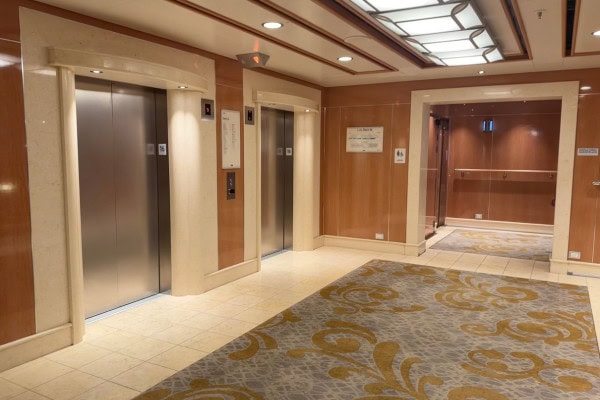
For travelers who want to minimize how much walking they do between their cabin and the rest of the ship, a cabin near the elevator can genuinely be the smarter pick. It’s quick to get back to your room, convenient for multiple trips to and from port, and less tiring overall.
On modern cruise ships that aren’t party-focused, the elevator area is far less noisy than it used to be, so that old concern matters a lot less these days.
If walking distance is something you’d like to think through before booking, that’s a great conversation to have with a travel advisor who knows the specific ship layout.
Excursion Age Limits Are Real (and Not Personal)
This one surprises a lot of people, and it upsets some too. Some cruise excursions, particularly snorkeling tours, hiking expeditions, and other activity-heavy outings, have age limits attached to them.
It’s not about fitness or ability; it’s largely about safety liability and insurance requirements for the tour operators. Still, it can feel frustrating if you’re in excellent shape and are told you can’t join a particular excursion because of your age.
Reading the fine print on excursion listings before you book, so you know exactly what’s available to you, is something worth doing.
On the flip side, pay close attention to the activity level rating on any excursion you do book. Going on a tour that ends up being more physically demanding than expected can affect the rest of your trip. Choosing excursions that genuinely match your current fitness level is always the better call.
Accessibility Items Are Available If You Know to Ask
A surprising number of cruisers don’t realize just how many accessibility accommodations are available on board, simply because they don’t know to ask.
You can request a raised toilet seat for your cabin bathroom, or a shower stool if you need one. These are available on most cruise lines, but they’re typically offered on a first-come, first-serve basis. If you know you’ll need either of these, request them before your cruise, not when you arrive.
Your cabin steward can arrange more than you might expect, including extra pillows, mattress toppers, and other comfort items.
If you use a CPAP machine, you can request an extension cord and distilled water to be brought to your cabin. A refrigerator for medication is also something you can ask for, or have medications stored for you by the medical team.
One thing to note: the standard mini fridge in your cabin functions more like a cooler and typically isn’t suitable for temperature-sensitive medication storage, so don’t assume it will work without checking.
Free Wheelchair Assistance Is Available Onboard
If you or someone in your travel party needs a little help getting on and off the ship, free wheelchair assistance is available at the port. This is one of those services that cruise lines offer without making a big announcement about it.
If you need a scooter or wheelchair for the entirety of the cruise, that’s available too, though it works differently. Rental scooters and wheelchairs for full-cruise use come through third-party companies that partner with cruise lines, such as Scooter Around and Special Needs at Sea.
These need to be arranged in advance, so don’t wait until you’re already on board.
If you find yourself unexpectedly needing a wheelchair mid-cruise, it may be possible to rent one through guest services for a daily fee, though availability isn’t guaranteed. Always notify your cruise line of any mobility needs before you sail so they can prepare appropriately.
Download the Cruise Line App Before You Go
Even if technology isn’t your thing, the cruise line app is genuinely worth getting familiar with before you sail. You don’t need to use every feature, but having access to it can make your trip smoother.

On the app, you’ll typically find your daily activity planner, onboard menus, boarding documents, shore excursion tickets, and your onboard account. Some cruise lines have moved toward app-only access for certain services, which can feel like a lot if you’re not used to it.
Getting comfortable before you board, or asking a family member to help you set it up, means you won’t be figuring it out on day one.
Paper Planners and Menus Are Still Available if You Ask
Here’s something cruise lines don’t exactly advertise: if your cruise line has moved away from placing paper daily planners in your cabin, you can still request one from your cabin attendant or guest services. Most cruise lines will accommodate this without any fuss.
The same goes for paper menus in the dining room. Some cruise lines have shifted to QR code menus, but a printed menu is almost always available if you ask your waiter or the maître d’. You’re not alone in preferring a physical menu, and the crew is used to the request.
Cruise Line Travel Insurance May Not Be Your Best Option
Cruise line travel insurance has its place. It’s convenient, it’s easy to add at booking, and it does offer some coverage while you’re at sea. The problem is that it may not cover everything you actually need, particularly when it comes to medical emergencies.
A common situation is that travelers find out too late that their cruise line policy doesn’t adequately cover emergency medical care or evacuation. For travelers over 60 or 70, this matters more, not because anything is necessarily more likely to happen, but because the cost of medical care abroad without adequate coverage can be substantial.
This is one area where cruise travel insurance is more important than ever to get right.
A good travel advisor can help you compare options and find a policy that actually covers your flights, pre- and post-cruise hotel stays, and medical needs, often without costing you more.
Working with a travel agent doesn’t mean paying more, since advisors earn commission from the cruise line. It means having someone who’s working for you, not for the cruise line.
Bring a Nightlight for Your Cabin
Cruise ship cabins, especially on older ships, get extremely dark. Not dim, completely dark, to the point where you can’t see your hand in front of your face when the lights are off.
If you get up in the night to use the bathroom, there’s typically a small ledge or lip at the bathroom entrance that’s easy to trip over in total darkness. A motion-sensor nightlight that you can stick to the wall just outside the bathroom solves this completely.
There are magnetic ones that attach right to the cabin wall, which is ideal since you don’t need tape or hooks.
On some newer ships, there’s a built-in motion-sensor light under the nightstand or dresser that activates when you get up, which is a thoughtful feature. On older ships, bring your own.
It’s a small thing that can prevent a real injury. You’ll find a motion-sensor nightlight among the top picks on the list of must-have cruise essentials from Amazon.
Traditional Dining Can Make a Bigger Difference Than You’d Think

A lot of cruisers gravitate toward flexible dining, also called anytime dining or open dining, because the idea of eating whenever you want on vacation is appealing. In practice, though, flexible dining can come with a catch.
When 2,000 other passengers all want to eat at 6:30 or 7:00 pm, the wait can stretch to 15, 30, or even 45 minutes. If waiting bothers you, or if you need to eat at a specific time for health reasons, traditional dining with a fixed early seating is often the better choice.
You’ll know exactly when you’re eating each night, and you’ll be guaranteed a seat without waiting.
The bonus is that traditional dining typically means having the same waiter and assistant waiter every single night. They get to know your preferences, what you like, what you don’t, and the service that comes from that familiarity is noticeably better.
For everything you need to know about navigating the different options, cruise dining tips for first-time cruisers covers it well, and the same principles apply for returning cruisers too. More details on avoiding common pitfalls can be found in big dining mistakes not to make on a cruise.
Don’t Book an Early Flight Home on Disembarkation Day
This is one of the most common mistakes cruisers make, especially those who haven’t sailed before. On the last morning of your cruise, getting off the ship takes considerably longer than most people expect.
There’s the disembarkation process itself, collecting your luggage at the terminal, getting through customs, arranging transportation to the airport, and then dealing with whatever the airport situation looks like that day, including TSA lines that can be genuinely long.
Booking a flight that’s too early in the morning creates a genuinely stressful final day and can mean missing your flight entirely.
The better approach is to plan a mid-to-late afternoon departure and make the morning leisurely. Have breakfast in the main dining room if it’s open, or head to the buffet and take your time.
There’s no rush if your flight isn’t until the afternoon, and a relaxed disembarkation day is a far nicer way to end a cruise than a frantic one. For a full guide on what to expect and how to handle the last morning, cruise disembarkation tips you need to know has all the practical details.
Final Thoughts
Cruising gets better when you know what to ask for, what to watch out for, and what to plan ahead. A lot of the things that trip people up on a cruise, whether it’s an excursion with an unexpected age limit, a travel insurance gap, or a stressful disembarkation morning, come down to simply not knowing in advance.
The good news is that cruise lines genuinely want you to have a great experience, and most of the accommodations covered here are available to anyone who knows to ask. Whether you’re looking to save money, travel more comfortably, or just avoid a few common frustrations, these tips give you a head start.
What’s your biggest cruise tip for travelers over 55? Share it in the comments below!