
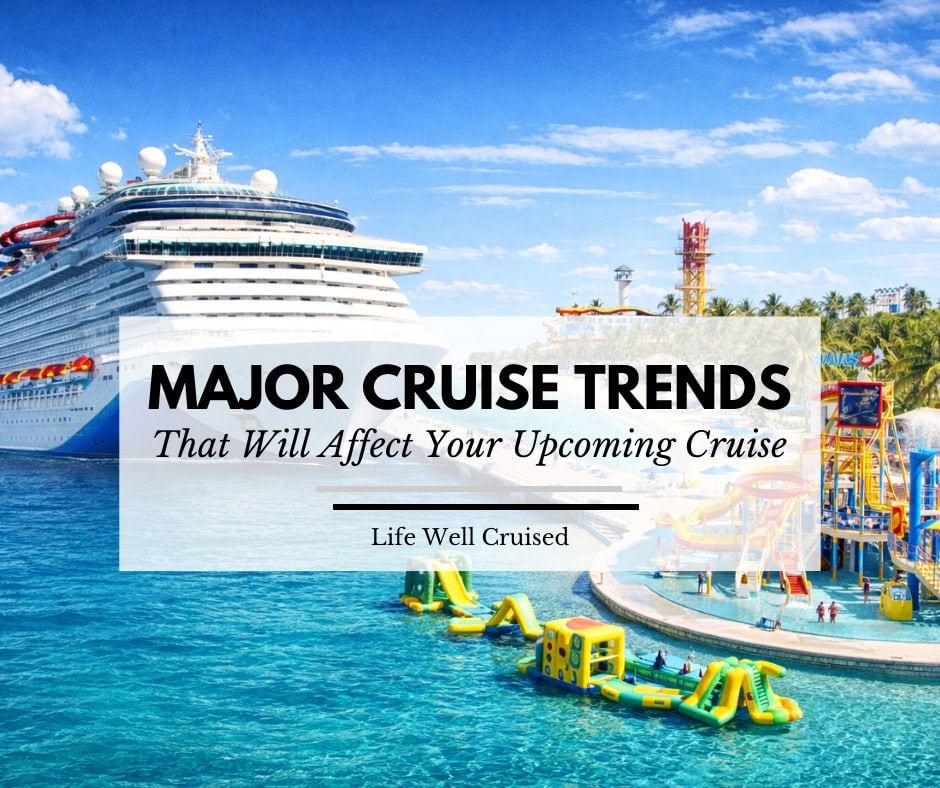
The cruise industry continues to grow at a remarkable pace, attracting both first-time cruisers and loyal repeat guests. As we move through 2026, cruise lines are making significant changes to everything from ship design to pricing strategies, and these shifts will directly impact how you experience your next cruise.
Some of these trends are exciting improvements that cruisers have been requesting for years. Others might feel controversial or spark debate among seasoned travelers. Either way, understanding what’s changing in the cruise industry will help you make smarter booking decisions and get the most value from your vacation.
9 New Major Cruise Trends
1. More Adult-Only Cruise Options
One of the most unexpected trends gaining momentum in 2026 is the expansion of adult-only cruise experiences. Carnival Cruise Line launched their “Casino at Sea” program in 2025, offering sailings exclusively for adults. These cruises proved so popular that the program expanded to additional ships in 2026.
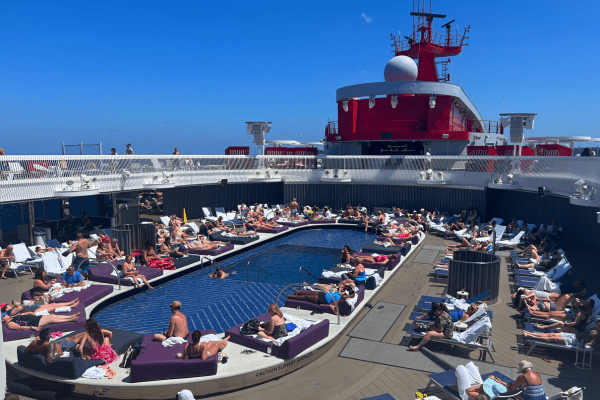
What makes these adult sailings special goes beyond just the age restriction. They feature longer itineraries that appeal to travelers who want more time to unwind, along with enhanced dining menus that cater to more sophisticated tastes.
The trend doesn’t stop with Carnival. In early 2026, Oceania announced that it is transitioning to an adult-only cruise line. While they’ve always attracted a more mature demographic, the company realized that many travelers specifically seek quieter, more peaceful cruise experiences, free from the energy of family-oriented ships.
For cruisers who appreciate a calmer atmosphere at sea, this trend offers welcome new options. For families, the silver lining is that this creates clearer choices when selecting the right cruise line for your group.
2. Bundled Cruise Packages Are Here to Stay
While cruise fares themselves aren’t necessarily dropping, we’re seeing cruise lines more frequently bundle popular extras into package deals. This trend makes it easier to budget for your cruise and often provides better value than purchasing amenities separately.
Princess Cruises and Holland America have offered bundled packages for quite some time, setting the standard for inclusive pricing. Norwegian Cruise Line brought back their popular Free at Sea program in 2026, along with an enhanced Free at Sea Plus option that includes even more perks cruisers have been requesting.
Even Carnival and Royal Caribbean, traditionally known for à la carte pricing, have tested bundle promotions throughout 2025 and into 2026. Carnival offered a particularly popular promotion bundling several extras for about $50 per day. The response was so positive they extended the offer, suggesting we might see more bundled options from these lines in the future.
These packages typically include items like specialty dining, drink packages, Wi-Fi, and shore excursion credits. The convenience of one upfront price eliminates surprise charges and makes comparing cruise values much simpler.
3. Wi-Fi Costs Continue to Climb
Internet connectivity has become essential for most travelers, even on vacation. Unfortunately, this is one area where we’re not seeing prices decrease. In fact, Wi-Fi costs are trending upward across most cruise lines.
Disney Cruise Line recently increased their daily Wi-Fi rates from $26 to $30 per day for basic packages. Their premium internet package now costs nearly $50 per day. Similar increases have appeared across other mainstream and luxury lines.

The price increases likely reflect the significant infrastructure investments required to provide reliable internet at sea. Satellite technology and bandwidth costs remain expensive, and cruise ships must continuously upgrade systems to meet passenger demand for streaming and video calls.
When budgeting for your 2026 cruise, plan to allocate more for internet access if staying connected matters to you. Some travelers find the higher costs actually encourage them to unplug more during vacation, which isn’t necessarily a bad thing.
One thing to remember when connecting in cruise ports and airports: open Wi-Fi networks aren’t always secure. Using a VPN service can protect your connection and give you peace of mind when accessing email, banking, and travel accounts on public networks.
4. Private Islands and Beach Clubs Expand
The private island and beach club trend continues to accelerate in 2026, whether you love or hate this development. Cruise lines view these exclusive destinations as opportunities to extend the cruise ship experience ashore with controlled, curated environments.
Royal Caribbean opened its new beach club in Nassau, Bahamas, and they’re expanding the beach club concept globally, with locations planned for Santorini and other popular ports worldwide.
Norwegian Cruise Line is making substantial improvements to Great Stirrup Cay. The island already features enhanced facilities, including a new dock and pool. A complete water park is scheduled to open in summer 2026, though this amenity will carry an additional cost. If you have the Free at Sea package, those benefits won’t extend to the island. However, the Free at Sea Plus package does include island perks.
Carnival’s Celebration Key debuted in summer 2025 as the line’s exclusive destination in the Caribbean. The port offers significantly more activities and amenities than traditional private islands. Interestingly, many Caribbean itineraries on Princess Cruises are switching to Celebration Key beginning around March 2026, replacing Princess Cays as a port of call.
While some seasoned cruisers prefer the simplicity of traditional private beaches like Princess Cays, enhanced destinations offer more variety in activities, dining, and entertainment. The trade-off is that these upgraded experiences often come with premium pricing for the best amenities.
5. Shorter Sample Cruises on Better Ships
In the past, short three to five-day cruises typically sailed on older, smaller ships rather than the newest vessels. That’s changing dramatically in 2026.
Cruise lines have recognized that short sailings serve two important purposes. First, they’re perfect sample cruises for first-time cruisers who want to test the waters before committing to a week-long voyage. Second, even experienced cruisers appreciate quick weekend getaways that fit busy schedules.
Now you’ll find some of the newest and largest ships in each fleet offering these shorter itineraries. This means you can experience the best amenities, dining, and entertainment cruise lines offer even on a brief three or four-day sailing.
This trend makes cruising more accessible for people who can’t take extended time off work or who want to try cruising without a major time investment. It’s also great for celebrations or special occasions when you want maximum impact in minimum time.
6. Loyalty Programs Are Changing
Cruise line loyalty programs are undergoing significant transformations in 2026. Some changes are positive, while others have sparked debate among frequent cruisers.
Royal Caribbean introduced a new loyalty program that many cruisers are excited about. The program includes more status-match opportunities and cross-promotion benefits across brands within the Royal Caribbean Group, making it easier to earn and use rewards across multiple cruise lines.
Carnival’s loyalty program changes, which fully roll out around mid-2026, take a different approach. Rather than counting total days sailed, the new rewards program factors in money spent, cabin categories booked, and other spending metrics. You can also earn loyalty points through cruise line credit card usage.
These changes probably reflect the reality that more people are cruising than ever before, and loyalty programs need to evolve. Whether the new systems provide better value remains to be seen as they fully launch.
The shift toward spending-based rewards rather than sailing-day counts has proven controversial. Some frequent cruisers feel it favors luxury travelers over value-focused cruisers who sail often but in lower-tier cabins. The cruise lines argue the new programs better reward overall engagement with the brand.
7. Smaller New Ships May Return
After years of “bigger is better” in cruise ship construction, there are strong signals that smaller new ships might be coming back to the fleet lineups.
Royal Caribbean has been working on a new Discovery class of ships designed to access destinations that mega-ships can’t reach. These vessels could transit the Panama Canal and visit ports with size restrictions that prevent Icon of the Seas and similar ships from calling there.
Recent reports from France indicate that new Royal Caribbean ships in this class are already on order and possibly under construction, though the cruise line hasn’t officially confirmed the details. The Discovery class would serve a different purpose in the fleet, opening up itineraries in markets where smaller ships have distinct advantages.
This doesn’t mean mega-ships are going away. Instead, we’re likely to see a more balanced approach, with cruise lines operating both large resort-style ships and smaller vessels that can reach more intimate ports.
For cruisers who prefer exploring less-visited destinations over onboard amenities, this trend is very welcome news. The ships would offer modern comforts and technology while maintaining the flexibility to access unique itineraries.
8. AI for Trip Planning (With Limitations)
More cruisers are using AI tools like ChatGPT for vacation planning in 2026. Rather than traditional Google searches, travelers are asking AI assistants to help plan port days, research pre-cruise hotel stays, and create itinerary suggestions.
In practice, AI works reasonably well for general trip planning and getting ideas for what to see and do in various ports. The technology can quickly compile information and create structured plans based on your preferences.
However, AI has significant limitations that cruisers need to understand. The information provided isn’t always accurate or up to date. AI systems draw on existing online content, which may be outdated or inaccurate. ChatGPT in particular has what experts call “hallucinations,” where it confidently presents information that’s completely made up.
AI also can’t replace travel agents or booking platforms. It lacks access to real-time pricing, availability, and the expertise that comes from actual cruise experience. Always verify AI-generated recommendations before making decisions or bookings.
The best approach is to use AI as a starting point for research while fact-checking everything through official sources, travel agents, or trusted cruise resources. Think of it as a helpful research assistant rather than a definitive authority.
9. Cruisers Want Transparency and Real Information
Social media and online cruise communities have created a more informed cruising public in 2026. Passengers now actively seek transparent information about their cruise purchases rather than just accepting marketing materials at face value.
Travelers want to know exactly what’s included in their cruise fare and what costs extra. They’re asking detailed questions about gratuities, service charges, and any fees that might appear on their final bill. This scrutiny extends to ship selection, with cruisers researching which vessels truly fit their travel style.
Perhaps most significantly, modern cruisers want authentic experiences and real information from fellow travelers, not just glossy advertising. They’re turning to cruise blogs, YouTube channels, and Facebook groups to hear honest reviews and see unfiltered photos before booking.
This trend toward informed cruising benefits everyone. When you choose a cruise based on accurate information and realistic expectations, you’re far more likely to have a positive experience. You’ll select the cruise line, ship, and itinerary that actually matches your preferences rather than being swayed by marketing alone.
Cruise lines are responding to this demand for transparency by providing more detailed information upfront and being clearer about what’s included versus what costs extra. The industry recognizes that informed, satisfied customers are more likely to cruise again and recommend the experience to others.
What These Trends Mean for You
The cruise industry’s evolution in 2026 creates both opportunities and challenges for travelers. Understanding these trends helps you make strategic decisions about when to book, which cruise line to choose, and how to maximize value.
If you appreciate quieter environments, the expansion of adult-only options gives you new choices. If you’re watching your budget, pay attention to bundled packages that might save money compared to à la carte purchases. And if you’ve been putting off that bucket-list itinerary, the potential return of smaller ships to unique destinations might finally make it possible.
The key is staying informed about industry changes and thinking critically about how they affect your specific cruise style. Not every trend will matter to every traveler, and that’s perfectly fine. Focus on finding the cruise experience that matches your vacation goals and travel preferences.
What cruise trends are you most excited about for 2026? Are there changes you’re not thrilled about? Both perspectives are valid, and the beauty of today’s cruise market is that there are more options than ever to find your ideal vacation at sea.