Planning your next cruise adventure? One of the most crucial aspects of travel preparation that often gets overlooked is properly packing your medications for flights and cruises.
Whether you’re bringing prescription drugs, over-the-counter remedies, or motion sickness prevention medications, there are specific rules and best practices that cruise travelers need to know.
Whether you’re flying to the cruise port and have to deal with the TSA, or you’re a short drive away, packing medicine properly will ensure a stress-free trip.
Pack All Medication in Your Personal Bag
One of biggest mistake cruise travelers can make is packing essential medications in checked luggage. Never, ever do this.
Airlines lose luggage more often than we’d like to admit, and you absolutely cannot afford to be separated from your prescription medications while on vacation.

Airlines are also increasingly asking passengers to gate-check carry-on bags due to limited overhead space. For this reason, it’s best to keep all essential medications in your personal bag, which should stay with you at all times.
One member of our Facebook group learned this lesson the hard way when her checked bag went missing for three days of her seven-day cruise. She spent valuable vacation time trying to replace her blood pressure medication instead of enjoying the ship’s amenities.
Prescription Medication Travel Rules
The question I am asked most frequently is whether prescription medications must be kept in their original containers. There is quite a bit of confusion surrounding this, and here’s why.
For Flying (TSA Rules): The TSA website states that keeping prescriptions in original containers isn’t strictly required. However, individual states may have different requirements, so it’s not worth the risk.
For Cruise Ships: Most cruise lines recommend keeping medications in labeled prescription bottles, and Disney Cruise Line actually requires it. Given the potential complications, I always recommend traveling with original, labeled prescription bottles.
Essential Prescription Tips and Best Practices
- Ensure the name on your prescription bottle matches your passport
- Bring a list of all medications and dosages (digital copy and/or a printed copy)
- Pack medications separately from other items for easy airport security access
- Consider bringing extra medication in case your cruise gets extended due to weather or other unlikely delays
For Your Flight: Liquid Medication and Airport Security Rules
If you’re taking liquid medications, you may be wondering about the TSA’s 3-1-1 liquid rule. Here’s some good news – liquid medications are exempt from the 100ml restriction on liquids.
However, you still need to follow these steps:
- Keep liquid medications in clearly labeled prescription bottles when possible
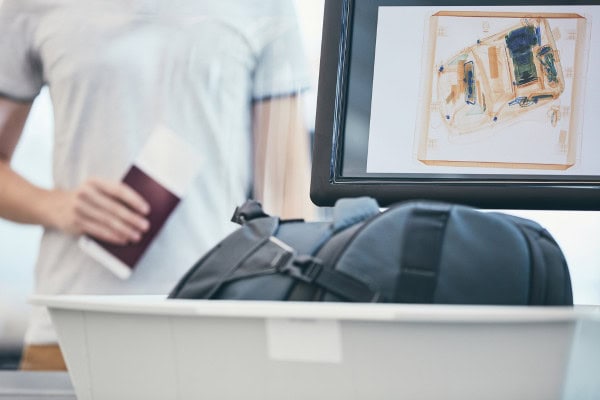
- Inform TSA agents before your items go through the X-ray machine
- Pack liquid medications separately from other liquids in a clear bag
- Be prepared for additional screening
- Consider bringing a doctor’s note for larger quantities, though it’s not strictly required
This exemption also applies to items like contact lens solution and prescription cough syrup.
Cruise Ships Don’t Have TSA Liquid Restrictions
Cruise ships don’t have specific rules for packing liquids, aside from not bringing prohibited items onboard.
Pack Your Over-the-Counter Medication
While it’s possible to purchase some over the counter medication on your cruise ship, the selected is limited and the products can be significantly more expensive than what you’d pay back home. Plus, when you reach cruise ports of call, familiar brands might not be available at all.
Essential Over-the-Counter Items to Pack:
- Pain relievers (Tylenol, Advil)
- Motion sickness prevention (Bonine, Dramamine)
- Digestive aids (Tums, Pepto-Bismol, Imodium)
- Cold and flu medications
- Throat lozenges
- Allergy medications (Benadryl)
- Antibiotic ointment and hydrocortisone cream for minor cuts and itches
Pack larger quantities in checked luggage and keep a small amount in your personal bag for immediate access.
Medical Devices and Special Equipment
Pack Your CPAP in Your Carry-on Bag
Traveling with a CPAP machine? They’re absolutely allowed on cruise ships. However, be sure that you’ve packed your CPAP machine in your embarkation day carry-on bag, and not in your checked luggage.
Contact your cruise line in advance through their website or your travel agent to arrange any necessary accommodations, such as distilled water and extension cords.
For travelers with pacemakers, insulin pumps, or other medical devices, notify TSA agents immediately to avoid complications at security checkpoints. Most devices require alternative screening methods.
Traveling with Needles and Injectable Medications
Cruise ships generally allow medical sharps and injectable medications, though advance notification is smart. Most staterooms have mini-fridges, though they might not maintain proper temperatures for insulin storage.
If you need medical-grade refrigeration, the cruise line can often provide it or store your medications in the medical center. It’s best to make these special requests well before your departure date. You’ll find forms and additional information on your cruise line website.
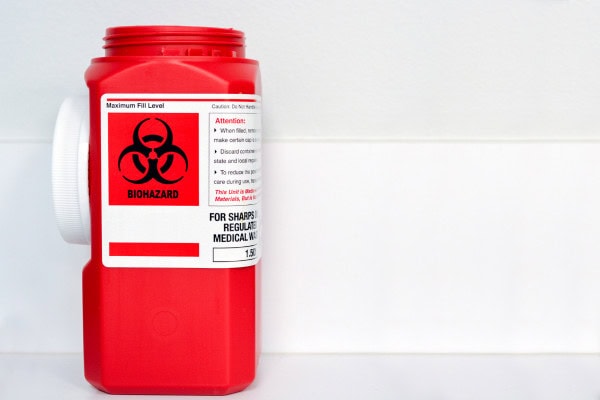
Your cabin attendant can provide proper sharps disposal containers. Never dispose of needles in regular trash or toilets – it’s unsafe and violates cruise policies.
Medications That Could Get You Denied Boarding
While it might be surprising, certain medications and substances are completely banned on cruise ships or in specific countries you might visit.
Prohibited on Cruise Ships:
- CBD products
- Marijuana (even medical marijuana)
- Bringing these items can result in immediate denial of boarding
Country-Specific Restrictions when Traveling
Before traveling, ensure that you’ve checked the specific rules for medication. Some medicine that is commonly used in the United States, Canada or the UK, may be a restricted substance in another country.
For example, Adderall and some other ADHD medications are banned in Japan. Ambien is restricted in Singapore. Tylenol with codeine faces restrictions in various countries.
Research the laws of every country on your itinerary before packing. Some restrictions require additional paperwork rather than complete prohibition.
Smart Storage Solutions Onboard
Many experienced cruisers store prescription medications in their cabin safe. While not necessary, it prevents medications from getting lost or misplaced.
Making Your Cruise Health-Ready
Proper medication planning is just one part of staying healthy during your cruise adventure. Consider travel insurance that covers prescription replacement costs, and always pack more medication than you think you’ll need.
Related & Popular Posts:
- 50+ Popular Cruise Essentials from Amazon
- Cruise Packing Tips All Cruisers Need to Know
- 12 Unusual Things Cruise Passengers Actually Do
- 15 Matching Cruise Shirts for Families, Couples & Groups
- 17 Cruise Cabin Essentials Every Cruiser Needs
- The Worst Cruise Ship Cabins to Avoid
- 13 Big Tipping Mistakes To Never Make on a Cruise
- 25+ Best Cruise Dresses: Amazon Ladies Resort Wear
- Cruise Cabin Door Decorations: The Ultimate Guide for Cruisers