
Caribbean cruises are the most popular type of cruise vacation in the world, and it’s easy to see why. Warm weather, beautiful beaches, and the chance to visit multiple islands in one trip make them a dream for first-timers and seasoned cruisers alike.
With over 25 Caribbean cruises under my belt, including sailing on one right now as I write this, there are some things I really wish someone had told me earlier.
Whether you’re heading out on your very first Caribbean cruise or your fiftieth, here’s what you actually need to know.
The Reality of Caribbean Cruising Today
Itinerary Choice Matters More Than You Think
There are Western Caribbean cruises, Eastern Caribbean cruises, Southern Caribbean cruises, 7-day sailings, and longer itineraries, and they really do offer quite different experiences.
One thing that’s become noticeable over the last few years is that many 7-day itineraries, especially on newer ships, can start to feel a little samey. If you want something that feels a little more authentic and less commercial, a longer cruise that heads to the Southern Caribbean or the ABC islands is worth considering.
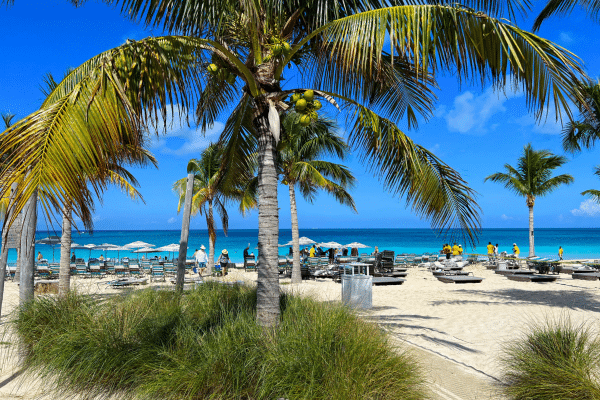
Those further-out ports tend to be more picturesque and, because fewer ships call there, a lot less crowded. If exploring the region more fully is on your list, it’s worth planning your Caribbean cruise itinerary with that in mind from the start.
Ports Are Less Tender-Heavy Than They Used to Be
Years ago, it wasn’t unusual for about half the ports on a Caribbean itinerary to be tender ports, where you’d take a small boat from the ship to shore. That process eats up a lot of time, and honestly, it’s one of my least favourite parts of cruising.
The good news is that this is becoming much less common, and in most modern Caribbean ports you can simply walk right off the ship and into the destination.
Your Itinerary Is Not Set in Stone
This is something every Caribbean cruiser should know going in. Port changes happen, and they happen for a variety of reasons including weather, rough seas, or safety situations on the ground at a destination.
Royal Caribbean, for example, has had Labadee, Haiti, on itineraries for years, but ships have often substituted another destination as sailing dates approach.
On more than one occasion, I’ve had a port swapped out mid-cruise because of weather, and sometimes we’ve skipped a port altogether. It’s disappointing when it happens, but understanding it’s part of Caribbean cruising helps you roll with it.
What to Watch for in Caribbean Ports
Scams and Shopping Watch-Outs
Caribbean ports are generally safe and wonderful to explore, but there are some specific scams and situations worth knowing about. One of the more common is product scams involving vanilla, tequila, or other alcohol being sold at markets.
If you’re not buying from a reputable store, you may end up with a watered-down or counterfeit product.
Jewelry is another area to be careful with. It’s unfortunately not uncommon for cruisers to buy gemstones or precious jewelry in port and later find out back home that the stone wasn’t real. If you’re spending real money on jewelry, stick to a reputable store.
The shopping ambassadors on your cruise ship actually do recommend specific stores in each port, and while they receive a percentage of sales, those shops tend to be vetted and legitimate. I’ve had good experiences following those recommendations in places like Grand Cayman.
For a more thorough look at what to watch out for, our guide to tourist scams that cruisers need to know about covers everything from fake products to more sophisticated port-based rip-offs.
Aggressive Vendors and Animal Photos
Something you’ll encounter in many Caribbean ports is vendors who can be quite persistent. In some cases, this crosses into uncomfortable territory. One thing worth avoiding is people with animals, whether parrots or monkeys, who approach you for photos and then charge aggressively afterward. These animals may not be well-treated, and there’s also a genuine concern about illnesses. If someone places an animal on you without asking, the best move is to walk away calmly and firmly.
Shopping Timing Tip
If you want to pick up crafts, t-shirts, jewelry, or other souvenirs, hold off until later in the day when you’re heading back to the ship. Vendors are much more likely to bargain as the afternoon winds down, and even for larger purchases like watches and jewelry, there’s room to negotiate. You can always browse early and return later to see if you can get a better deal.
Currency and Cash in the Caribbean
USD Works Almost Everywhere
One of the most common questions from first-time Caribbean cruisers is what to do about currency. The simple answer is that US dollars are accepted throughout the Caribbean, so you generally don’t need to exchange for local currency.
Mexico is a bit of a different story, and having Mexican pesos can sometimes get you a slightly better price, but the convenience of paying in US dollars is hard to argue with.

What you do want to make sure is that you have some cash with you in port. You’ll need it for taxis, tips for tour guides, and any small market purchases.
A word of warning: vendors often claim they don’t have change for large bills, so smaller denominations are your friend here. OurCaribbean cruise packing guide has more tips on what to bring for port days.
Making the Most of Cruise Line Private Islands
They Deserve More Credit Than They Get
Private islands get a bit of a bad reputation, and I genuinely think that’s unfair. If you want a beautiful beach and a resort-style experience without any of the hassle of a port day, this is exactly what cruise line private islands deliver.
Most of them are included in your cruise fare, which makes them one of the more affordable stops on any Caribbean itinerary.
A recent stop at Castaway Key on a Disney cruise was honestly one of the most beautiful beaches I’ve ever been to. Pristine, natural, and genuinely relaxing. Other cruise lines have developed incredible private island experiences too, whether it’s Royal Caribbean’s Perfect Day at CocoCay, MSC’s Ocean Cay, Half Moon Cay, or Carnival’s Celebration Key.
Before you visit any private island, it’s worth checking what’s included and what costs extra. Our full guide tocruise private island mistakes to avoid covers all of that in detail.
The Ship on Private Island Days
Here’s a tip that not everyone thinks about: on private island days, most passengers get off the ship. That means the pool, the restaurants, the quiet spots, the whole ship is basically yours.
If you’re not feeling a beach day, or you’ve been to the island before and want a different kind of relaxing day, staying on board can be a genuinely wonderful experience.
Port Days: Planning and Practicalities
Research How Many Ships Are in Port
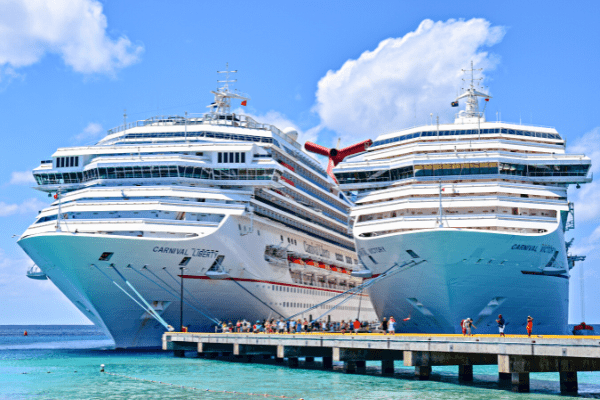
Before any port day, I like to check Cruise Mapper to see how many ships are scheduled to be in that port on the same day. Some ports will have five, six, or even seven ships at once. Others might have just one or two, which makes for a completely different experience on the ground.
If I know a busy port is coming up, I’ll plan an excursion, ideally something that takes us off the main strip like a catamaran, a snorkeling trip, or an excursion to a more exclusive area. That way, the crowds don’t really affect our day.
Two Caribbean Ports Worth Calling Out
A couple of ports are doing a great job right now for cruisers looking for value. Port Taino in the Dominican Republic has really developed in recent years. There’s a lazy river, a resort-style pool, a more natural pool with hammocks, and free lounge chairs and daybeds for cruisers. You can eat and shop there too, but nothing is required.
Grand Turk is another good one, and has been for a while. The beach is genuinely beautiful, and the area near the cruise pier includes a Margaritaville resort-style pool that’s free to use.
Food and drinks cost extra, but the beach, loungers, and pool access are all complimentary for cruisers.
If you prefer a more natural port experience, St. Martin is lovely. There’s no free amenity, but you can take a water taxi from the cruise port to Philipsburg beach for around $7 per person, walk through a pretty town, and enjoy free beach access with reasonably priced restaurants nearby.
For detailed guides on individual ports, our posts on things to do in St. Thomas on a cruise and things to do in Roatán are great starting points for research.
Ship Time, Safe Return, and What to Carry
Ship Time vs Local Time
This one catches people out more than you’d think. Depending on your itinerary, the time on the island may differ from ship time. On a recent cruise, we were asked to move our clocks forward early in the sailing to keep things aligned with the ports we were visiting. That’s helpful, but it doesn’t always happen that way.
The key habit to get into is making sure you always know what time it is back on the ship. I take a photo of the all-aboard time listed in the daily planner before leaving the ship, so there’s no second-guessing later. You can also take the paper daily planner with you, as it usually has the port agent number in case of an emergency.
Missing the ship is the kind of cruise disaster nobody wants to deal with, and it’s entirely avoidable with a bit of attention to time.
What ID to Bring on Port Days
There’s no one-size-fits-all answer here, and cruisers genuinely have different approaches. My personal preference is to leave the passport in the safe and carry my cruise card plus one piece of government ID, like a driver’s license. In most gated cruise port areas, they’ll check ID as you re-enter, so you need something.
The passport is safest in the cabin safe, and if something unexpected happened and you missed the ship, the cruise line would retrieve it from your cabin and leave it with the port agent.
That said, plenty of experienced cruisers do take their passport off the ship, and there are valid reasons for that too. It’s worth thinking about your own comfort level and travel style.
Don’t Forget Sunscreen and Water Shoes
It sounds obvious, but sunscreen is something a lot of people underestimate on Caribbean cruises. Even on overcast days, you can get more sun than expected, and port days involve more time outdoors than sea days. Reapply throughout the day, not just once in the morning.
Water shoes are another thing that can make a real difference. Many private island beaches are rocky in spots, and plenty of Caribbean beaches have areas where you’ll want some foot protection.
If you’re wondering what else to pack for your port days, our guide on what to pack in your shore excursion day bag covers all the essentials, and our post on things I wish I had brought on my Caribbean cruise has some great real-world additions you might not think of until it’s too late.
Final Thoughts
A Caribbean cruise is one of the most enjoyable and accessible vacations you can take, and after more than 25 of them, the excitement genuinely hasn’t worn off. The more you know going in, the better your experience on the ship and in port. A little planning, a bit of awareness, and the right packing list makes all the difference.
Whether this is your first Caribbean cruise or you’re returning for more, I hope these tips help you get the most out of every single day. What Caribbean ports are on your list for your next cruise? Let me know in the comments below, and happy cruising!