Picture this: you’ve packed your bags, driven to the port, and you’re practically bouncing with excitement for your long awaited cruise vacation. Then comes the crushing blow: you’re denied boarding. Unfortunately, this nightmare scenario is becoming increasingly common, and some of the reasons might surprise you.
After researching real stories from fellow cruisers and digging into the fine print, I’ve discovered 11 reasons cruise passengers are being turned away at the gangway. Some of these will shock you, while others serve as important reminders we all need to hear.
11 Reasons You Could Be Denied Boarding on Your Cruise
1. Verbal Abuse of Cruise Line Staff Can Get You Banned for Life
This one genuinely surprised me and shows how seriously cruise lines take staff treatment. One gentleman received an email about an itinerary change (which can happen to any of us) and called customer service upset about wanting compensation.
What started as frustration escalated when he began cursing and yelling at the representative. Even when asked to stop, he continued his tirade. After cooling off overnight and planning to call back, he received a phone call that changed everything: his cruise was cancelled, refunded, and he was banned for life from the cruise line.
Even though he later wanted to apologize and tried to resolve the situation, the damage was done. His friends sailed without him, and no amount of pleading could reverse the decision.
2. Criminal Records and DUI Convictions
Having a criminal record, particularly a DUI conviction, can prevent you from boarding certain cruises. This especially affects Alaska cruises since Canada takes DUI convictions very seriously.
Travel agents who book many Alaskan cruises report this comes up frequently. If you or someone in your travel party has a DUI, you could be denied entry into Canada and subsequently refused boarding on your cruise ship. The same applies to Hawaii cruises that port in Canada.
3. Vindictive Friends or Strangers Cancelling Your Reservation
While rare, there have been cases where passengers discovered their cruise was mysteriously cancelled due to malicious interference. One Royal Caribbean passenger planning to cruise with friends experienced a falling out, and everyone in the group knew each other’s reservation numbers. She suspected her former friend cancelled her booking out of spite.
Similarly, a woman who booked a suite excitedly shared her booking details on social media, only to discover later that someone had cancelled her reservation. With cruises often selling out close to sailing dates, rectifying these situations becomes nearly impossible.
The lesson here is clear: never share your booking number, full name, date of birth, or cabin number online or on social media. There are bad actors out there looking to cause trouble.
4. Passport Problems Beyond Expiration Dates
Most cruisers know about the six month passport validity rule, but damaged passports are causing denials too. Even minor damage like tears, small stains, or lifted pages can result in refused boarding.
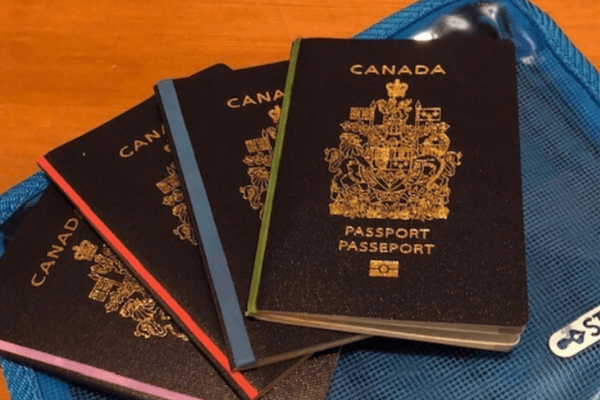
A British couple was denied boarding a Cunard ship in Sydney heading to Singapore because of slight passport damage. They had already flown to Sydney and checked their luggage, making the situation even more devastating.
Always inspect your passport carefully before traveling and replace it if there’s any doubt about its condition.
5. Real ID and Enhanced ID Confusion
The new Real ID requirement for domestic air travel has created confusion among cruise passengers. A Texas family’s vacation was ruined when they arrived at the cruise port with what they thought were enhanced IDs but no birth certificate.
Here’s what you need to know: Real ID alone is not sufficient for cruise boarding. The confusion often stems from mixing up Real ID versus enhanced ID terminology, as only five states offer enhanced driver’s licenses.
For closed loop cruises (leaving and returning to US ports), a birth certificate with government ID is often acceptable, though passports remain the gold standard. Even the State Department recommends traveling with a passport regardless of cruise line requirements.
6. New Visa and Documentation Requirements
If you’re cruising to Europe or internationally, new visa requirements could catch you off guard. You’ll need an ETA to fly into or cruise from the UK, and next year the ETIAS system is expected to launch for European travel.
Stay updated on changing documentation requirements for your specific itinerary to avoid last minute surprises.
7. Traveling with Minors Without Proper Consent
When traveling with children who aren’t yours or when only one parent is present, many cruise lines require notarized consent letters from the parent or legal guardian.

Check your cruise line’s website for specific requirements and forms. If you’re working with a travel advisor, they can help ensure you have the proper documentation.
Related: What to Pack for Kids on a Cruise: Kid’s Cruise Packing List
8. Bringing Prohibited Items Especially CBD Products
While common travel items like irons or steamers are typically just confiscated and returned, bringing illegal substances can result in permanent bans. One woman was denied boarding and banned for life when security found CBD gummies in her carry on bag during the Miami embarkation process.
CBD and similar substances aren’t permitted on cruise ships due to federal law and the fact that these items may be illegal in various port destinations, even if legal in your home state. Cruise ships have sniffer dogs and take these violations extremely seriously.
9. Advanced Pregnancy Beyond 23 Weeks
Many cruisers don’t realize that cruise ship boarding rules for pregnancy differ from airline policies. Passengers cannot board if they’re in their 24th week of pregnancy or beyond.
One family learned this the hard way when a woman in her 29th week reviewed pre cruise documentation the day before sailing. Despite calling the cruise line and arriving at the port hoping for an exception, she was denied boarding and received no refund, only some taxes and port fees were returned, resulting in about a $10,000 loss.
10. Missing the Hard Embarkation Cutoff
Just because your ship sails at 4 PM and boarding begins at noon doesn’t mean you can arrive anytime within that window. Cruise lines require guests to arrive 90 minutes to 2 hours before sailing time; this isn’t just a cruise line rule but federal law enforced by US Immigration and Homeland Security.
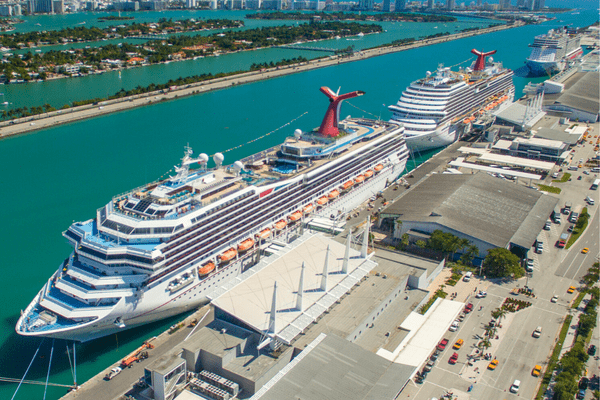
Cruise lines must submit passenger manifests 60 minutes before departure. Anyone missing the official cutoff, even due to traffic or other delays, can be denied boarding. Always plan to arrive during the earlier embarkation time slots.
11. Filing Unauthorized Credit Card Chargebacks
This is something passengers should never do, yet it happens more often than you’d think. Some cruisers, unhappy with aspects of their cruise experience, file credit card disputes or chargebacks when they get home instead of working with the cruise line directly.
While you might get a refund from your credit card company, the cruise line doesn’t accept this as legitimate payment resolution. These passengers often discover they’re on a “no sail” list and still owe the cruise line money, which can go to collections. One woman who filed a dispute over her future cruise credit found herself banned and owing $3,000.
Filing unwarranted credit card disputes is considered friendly fraud and should be avoided at all costs.
Bonus: Can You Be Bumped from an Oversold Cruise?
While extremely rare, cruise ships can be oversold. A few years ago in Brisbane, Australia, passengers with guaranteed cabins (unassigned cabin categories) arrived at the terminal only to discover their cruise was oversold. They waited hours hoping other passengers wouldn’t show up, but ultimately had to watch their vacation sail away without them.
More commonly, cruise lines send “move over” notices a few days before sailing, offering passengers alternative cruises with perks like full refunds, free future cruises, cabin upgrades, and onboard credits. If you have flexibility, these offers can work in your favor.
Related & Popular Posts:
- 50+ Must-have Cruise Essentials from Amazon
- What to Pack for Your First Cruise
- What To Wear on a Cruise Vacation
- 10 Things That (Almost) Always Surprise New Cruisers
- 15 Things to Bring on a Cruise from Home (to save money)
- 75 Genius Cruise Hacks and Tips
- 20+ Best Cruise Dresses: Amazon Ladies Resort Wear
- 10 Things to Never Do on a Cruise Ship Balcony
- 25 Cruise Embarkation Day Tips You Need to Know
- 12 Things to Do as Soon as You Get Into Your Cruise Cabin
- 17 Cruise Cabin Essentials Every Cruiser Needs
Protecting Yourself from Boarding Denials
The best defense against boarding denial is preparation and awareness. Here are key steps to protect your cruise investment:
- Double check all documentation requirements well before your sailing date
- Inspect your passport for any damage and renew if necessary
- Never share booking details or personal information online
- Arrive early for embarkation and plan for potential delays
- Understand what items are prohibited on cruise ships
- Research visa requirements for international itineraries
- Treat cruise line staff with respect, even when frustrated
- Work directly with cruise lines to resolve issues rather than filing credit card disputes
Remember, cruise lines take these policies seriously for legal, safety, and operational reasons. While some situations might seem unfair, understanding these rules beforehand can save you from the heartbreak of watching your cruise sail away without you.
Have you ever come close to being denied boarding? What other boarding requirements do you think cruisers should know about? These stories serve as important reminders that a little preparation goes a long way in ensuring your cruise vacation starts smoothly.
Happy Cruising!
Ilana