
Cruising is statistically one of the safest forms of travel, with modern ships carrying over 37 million passengers safely each year. Yet like any vacation, a little preparation goes a long way toward ensuring your cruise is both fun and worry-free.
Drawing from real experiences shared by members of our cruise community, along with expert recommendations, we’ve compiled 25 practical safety tips to help you cruise with confidence. These aren’t just theoretical guidelines but proven strategies that have helped fellow cruisers stay safe and enjoy their vacations to the fullest.
Pre-Cruise Preparation
1. Pack Medications in Your Carry-On
One of our Life Well Cruised Facebook community members learned this lesson the hard way when their checked luggage went missing for two days. Pack enough medication for the entire cruise and keep it in your carry-on, in case your luggage gets lost en route.
Bring extra beyond what you need for the cruise duration in case of unexpected delays or itinerary changes. When packing medications, consider our guide on how to pack medication for your cruise for detailed requirements and regulations.
2. Get Comprehensive Travel Insurance
Many cruisers assume their regular health insurance covers them at sea, which isn’t always the case. U.S. Medicare and Medicaid do not cover medical costs abroad.
Purchase travel insurance that includes medical coverage and emergency evacuation, as medical care on ships can be expensive and evacuation to shore facilities can cost tens of thousands of dollars.
3. Research Your Destination Safety
Stay informed about your destinations, as conditions can change. The US State Department maintains current travel advisories for cruise destinations. As of September 2025, popular cruise ports have varying advisory levels: Jamaica and the Bahamas are at Level 2 (Exercise Increased Caution), while Honduras is at Level 3 (Reconsider Travel), and Haiti maintains a Level 4 (Do Not Travel) status.

Cruise lines closely monitor these situations and work with local authorities to ensure passenger safety in port areas. Most Caribbean islands continue to welcome cruise passengers safely, especially in designated cruise port zones.
Always check current State Department advisories for all ports on your itinerary before sailing.
4. Always Carry Your Passport
Even on closed-loop cruises where passports aren’t technically required, smart cruisers always bring them. You may need your passport in the event of an unexpected medical evacuation or if the ship docks at a different port.
Having proper documentation can save precious time and eliminate potential complications.
Onboard Safety Fundamentals
5. Complete Your E-Muster Requirements
Modern cruise safety has evolved, and most cruise lines now use an e-muster system rather than traditional muster drills. You’ll complete the safety briefing virtually and check in at designated stations on embarkation day.
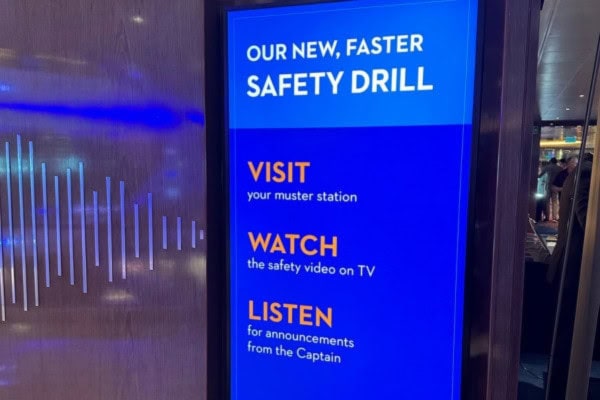
Take this seriously and learn at least two routes to your muster station. The system ensures everyone is fully prepared while being more convenient than old-style drills.
As one Reddit user put it: “It’s a fear of the unknown that gets you. Once on the ship you’ll realize all is good.” The safety briefing helps eliminate that fear by showing you exactly what to do in an emergency.
6. Secure Your Cabin Properly
Modern cruise cabins are designed with security in mind, though basic precautions are always wise. Not all cabin doors automatically close, so give them a pull when you leave and a push when you are inside to make sure they click shut.
Always use the deadbolt when inside, and when you hear a knock at your cabin door, look through your peephole before opening.
7. Lock Your Balcony Door at Night
Many cruisers love sleeping with their balcony door open to hear the ocean, but safety experts recommend keeping your balcony door locked at night. This prevents any issues and reduces the risk of accidents during rough seas.
8. Use the Buddy System in Port
Cruising onboard is extremely safe thanks to comprehensive security and surveillance systems. However, the buddy system becomes more important when you’re exploring ports.
If you’re a solo cruiser, consider joining group activities or making friends early on. Even couples should stick together, particularly during shore excursions or when exploring unfamiliar ports.
9. Practice Responsible Drinking

Cruise lines offer excellent beverage packages and social atmospheres that encourage relaxation. Alcohol can be involved in some shipboard incidents, so be aware of your limits and pace yourself.
If you’re concerned about moderation, you can always skip unlimited drink packages. Never accept drinks from strangers, and be cautious about letting people you’ve just met walk you back to your cabin.
Health and Hygiene
10. Wash Your Hands Regularly
The number one piece of advice from experienced cruisers is good hand hygiene. A former cruise health inspector emphasized: “Washing your hands is the number one thing you can do for your own safety.”
Wash your hands with soap and water regularly, especially before meals, and carry hand sanitizer for moments when handwashing isn’t possible.
11. Be Smart at Buffets
Cruise lines maintain high sanitation standards, but you can help protect yourself, too. Use hand sanitizer before handling serving utensils, avoid touching food directly, and choose hot, freshly prepared foods when possible.
If something doesn’t look fresh, simply skip it and try something else.
12. Report Illness Immediately
If you feel unwell, don’t tough it out or hide in your cabin. Report your symptoms to the ship’s medical center and follow their recommendations.
Cruise lines have excellent medical facilities and protocols for handling illness. Early treatment protects both you and other passengers.
13. Protect Yourself from Sun and Elements
Many cruisers underestimate sun exposure at sea. Apply sunscreen with SPF 15 or higher when traveling. You can get sunburn even if it’s cloudy or cold due to reflection off the water. In tropical ports, use insect repellent to avoid bug bites, as mosquitoes can carry diseases like Zika and dengue.

14. Stay Current with Vaccinations
Routine vaccinations protect you from infectious diseases. Update your routine vaccines and consult with a travel health specialist about destination-specific immunizations if you’re visiting exotic locations.
Financial and Personal Security
15. Minimize Cash and Valuables
Cash isn’t necessary onboard modern cruise ships. All onboard transactions can be handled with your cabin key card, which acts as your credit card.
For shore excursions, bring only what you need and consider using a money belt for extra security.
16. Protect Your Cabin Key Card
Your cabin key is also your credit card onboard, so treat it carefully. Cruise lines have sophisticated security measures that make it difficult for others to misuse your card, but keep it secure and monitor your onboard account regularly.
Don’t share your cabin number loudly, and report a lost key card immediately to prevent any issues.
17. Use Your Cabin Safe
Store important documents, extra cash, and valuable jewelry in your cabin safe rather than leaving them out. Many experienced cruisers also recommend keeping electronics in the safe when not in use, along with copies of essential documents.
Shore Excursion Safety
18. Choose Reputable Shore Excursions
Cruise lines work hard to ensure passenger safety and often adjust port visits based on current conditions. Many cruisers prefer ship-sponsored excursions, especially in ports with changing conditions.
These excursions are vetted by the cruise line and come with additional security. If you explore independently, stick with popular tourist areas and established tour operators.
19. Stay Street-Smart in Port
While ships have excellent security systems, remember that port cities operate under different standards than your ship. Maintain the same awareness you’d have in any tourist destination.
Pickpockets and tourist-focused scams can occur in busy port areas, so keep valuables secure and stay alert.
20. Research and Plan Ahead
If exploring independently, research and book excursions in advance rather than making spontaneous decisions in port. Always carry the ship’s emergency contact information with you, and inform someone onboard of your plans and expected return time.
Consider keeping your cell service active when venturing on your own so you can reach the ship or call for help if needed.
21. Keep Emergency Contacts Handy
Write down the contact information for the U.S. embassy or consulate for your destinations in case of an emergency. Also, program your ship’s contact information into your phone before going ashore
A member of the Life Well Cruised Facebook group shared advice that many find helpful: always be aware of your surroundings in port cities and stick to well-traveled tourist areas.
Activity and Equipment Safety
22. Exercise Caution with High Risk Activities
Some onboard and shore activities carry higher energy levels than others. Activities like FlowRider wave machines, zip lining, and jet skiing can be thrilling but require attention to safety instructions.
Cruise lines maintain high safety standards for all activities, so listen to staff instructions and don’t attempt activities beyond your comfort level.
23. Follow All Safety Guidelines
Cruise lines have comprehensive safety rules that protect passengers. While some of these rules might seem unnecessary, they exist for good reason.
Most cruise line policies are responses to lessons learned over decades of operations, so following them helps ensure everyone’s safety.
24. Respect Restricted Areas
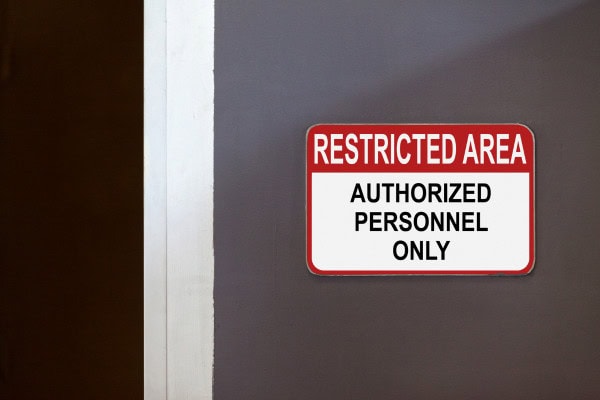
Never visit crew quarters under any circumstances. This is strictly prohibited for both safety and security reasons.
Crew areas are restricted for good reason, and visiting them puts both you and crew members at risk. Violations can result in being asked to leave the ship at the next port.
25. Use Common Sense with Railings
Never lean over railings, climb on them, or allow children to play near them unsupervised. Modern ships have surveillance systems and safety equipment, but prevention is always the best approach.
Railings are designed for safety when used properly.
When You Need Help
Whether it’s a medical issue, security concern, or equipment question, don’t hesitate to contact crew members for help. Crew members undergo extensive safety training and are there to assist you. Ships have 24/7 security and medical staff available to handle any situation that might arise.
Real Stories from Our Community
Our Facebook group members often share positive experiences that highlight how well cruise safety systems work.
One member described how the crew quickly responded when they reported a potential safety concern, demonstrating the ship’s commitment to passenger welfare.
A Holland America passenger shared how the cruise line proactively changed itineraries due to weather conditions, prioritizing passenger safety and comfort. While itinerary changes can be disappointing, they demonstrate how seriously cruise lines take passenger safety.
Cruise Industry Safety Standards
Modern cruise ships operate under strict international safety regulations that make cruising one of the safest forms of travel. All cruise ships operate under international Safety of Life at Sea (SOLAS) regulations, which govern everything from fire safety to navigation and maritime security.
In the U.S., the Coast Guard inspects ships in American waters and the CDC oversees sanitation under its Vessel Sanitation Program. Public areas have comprehensive surveillance, and ships are equipped with advanced safety technology.
While minor technical issues like brief electrical outages occasionally occur, cruise safety systems are designed with multiple backups. Every crew member undergoes regular safety training, including lifeboat operations and emergency procedures, so they can assist passengers quickly and efficiently.
Related & Popular Posts:
- 50+ Must-have Cruise Essentials from Amazon
- What to Pack for Your First Cruise
- What To Wear on a Cruise Vacation
- 10 Things That (Almost) Always Surprise New Cruisers
- 15 Things to Bring on a Cruise from Home (to save money)
- 75 Genius Cruise Hacks and Tips
- 20+ Best Cruise Dresses: Amazon Ladies Resort Wear
- 10 Things to Never Do on a Cruise Ship Balcony
- 25 Cruise Embarkation Day Tips You Need to Know
- 12 Things to Do as Soon as You Get Into Your Cruise Cabin
- 17 Cruise Cabin Essentials Every Cruiser Needs
The Bottom Line
Cruising remains one of the safest vacation options available, with cruise lines investing billions in safety technology and training. With basic preparation and common-sense precautions, you can focus on what matters most: creating amazing memories on your cruise vacation.
The key is being prepared without being paranoid, staying aware without being anxious, and following safety guidelines so you can relax and enjoy everything your cruise has to offer.
