You’re fresh off the cruise ship, excited to explore a new destination, and immediately, you’re surrounded by colorful stalls, friendly vendors, and enticing souvenirs. Before you know it, you’ve spent half your port budget in the first hour.
Sound familiar? You’re not alone in making costly shopping mistakes in cruise ports!
Many cruisers plan their shore excursions carefully but overlook the shopping traps waiting right at the port. These mistakes can quickly drain your vacation budget and leave you with regrets once you’re back home.
Over the years, I’ve learned some of these lessons the hard way during my travels, and I want to help you avoid the same pitfalls. Let’s explore the most common port shopping mistakes and, more importantly, how to shop smart and get genuine value from your purchases.
15 Cruise Port Shopping Mistakes
1. Buying Food & Drinks Right in the Port Area

The moment you step off the ship, vendors are ready with cold drinks, snacks, and local treats. While convenient, this is often where you’ll pay the highest prices.
Port area vendors know you’re thirsty and hungry after being on the ship, and they price accordingly. A bottle of water that costs $1 just five minutes away from the port can easily be $3 or $4 at the first stall you see.
Smart Tip: Walk 5-10 minutes into town for authentic and cheaper options. Ask crew members where they eat when they go ashore, or look for places where locals are dining. You’ll get better food at better prices and a more authentic experience.
2. Purchasing Souvenirs Immediately After Leaving the Ship
Those beautiful t-shirts, magnets, and keychains displayed right at the port entrance? They’re priced for impulse buyers who haven’t had time to comparison shop.
The same “authentic local” souvenir selling for $20 at the port terminal is often available for $8-10 just a few streets away. Port vendors capitalize on your excitement and the limited time you feel you have.
Smart Tip: Do a quick walk around the area first to get a sense of pricing before making any purchases. Save shopping for the middle or end of your port visit when you’ve had time to explore and compare.
3. Not Researching Local Shopping Customs
Every destination has different shopping customs, and not knowing them can cost you significantly. In many Caribbean cruise ports, bargaining is expected and part of the fun, while in others, prices are fixed.
Walking into a market in Cozumel or Nassau and paying the first price offered means you’re likely paying double or triple what the vendor expects to receive.
Smart Tip: Spend five minutes online before your cruise researching shopping customs for each port. Learn basic bargaining phrases if appropriate, and don’t be afraid to walk away, often, this brings down the price immediately.
4. Falling for “Duty-Free Deals” Without Comparing
Duty-free doesn’t automatically mean cheaper. Many “duty-free” liquor or perfume shops at ports don’t actually beat home prices, especially when you factor in exchange rates and your own local sales.
I’ve seen travelers get excited about “saving” on duty-free alcohol only to discover they could have bought the same bottle for less at their local store.
Smart Tip: Know the prices of items you’re interested in before you travel. Take photos of price tags at home, or make notes in your phone. This gives you a real comparison baseline.
5. Ignoring Authenticity Red Flags
Nothing stings quite like realizing that “handmade local craft” you paid premium prices for is actually mass-produced in a factory somewhere else entirely.

Common authenticity red flags include prices that seem too good to be true for supposedly handmade items, identical items across multiple vendors, and sellers who can’t answer basic questions about how items are made.
Smart Tip: Ask questions about the origin and creation process. Genuine local artisans are usually proud to explain their work. Look for slight variations in “handmade” items – perfect uniformity often indicates machine production.
6. Waiting Until the Last Minute to Buy
That “I’ll get it on the way back to the ship” approach often backfires. Shops near the port know you’re running out of time and will be less willing to negotiate or offer deals.
Plus, you might find that the item you wanted is sold out, or you’re so rushed that you grab something without properly checking it over.
Smart Tip: If you find something you really want, buy it when you see it (after appropriate price comparison). You can always return to that area if you change your mind, but you can’t count on items still being available later.
7. Buying Brand-Name Items in Tourist Shops
Those “Rolex” watches for $50, designer handbags at suspiciously low prices, or perfumes that seem like great deals are almost always counterfeit or refilled bottles.
Unfortunately, I learned this lesson the hard way when I purchased a purse in Kusadasi, Turkey. I chose a purse that I liked, negotiated the price and then proceeded to chat with the “friendly owner” while he wrapped up my purchase.
Only when I got back to the ship and opened up my shopping bag did I realize that I was the victim of what I like to call the “switcheroo scam.” The bag I purchased was switched with a much cheaper looking one while I was not paying attention, and I only realized this once I was back onboard the cruise ship.
By then, we had already left the port and I couldn’t do anything about it.
Smart Tip: If a deal seems too good to be true, it probably is. Buy brand items from authorized dealers only, and always inspect your purchases carefully before leaving the store. Don’t let friendly conversation distract you during the wrapping process.
8. Forgetting to Check Import Restrictions
Buying alcohol, cigars, shells, or certain food items without checking your ship’s policies or customs regulations can result in confiscated items and wasted money.
Each cruise line has different policies, and customs regulations vary by your home country. That beautiful conch shell from the Caribbean might not be allowed back on the ship, and those Cuban cigars might be confiscated at customs.
Smart Tip: Check your cruise line’s prohibited items list and research customs regulations for your home country before making purchases. When in doubt, ask your ship’s guest services or check with local customs officials.
9. Shopping in Large Groups
When vendors see a large group of obvious cruise passengers, they often quote higher prices across the board. Tour groups are particularly targeted for inflated pricing.
Solo shoppers or couples often get better deals because vendors assume they’re more price-conscious and might negotiate harder.
Smart Tip: Break away from tour groups when possible for shopping, or visit shops before or after the main group. Even waiting 15-20 minutes after your group passes through can result in better prices.
10. Overpacking Luggage with Souvenirs
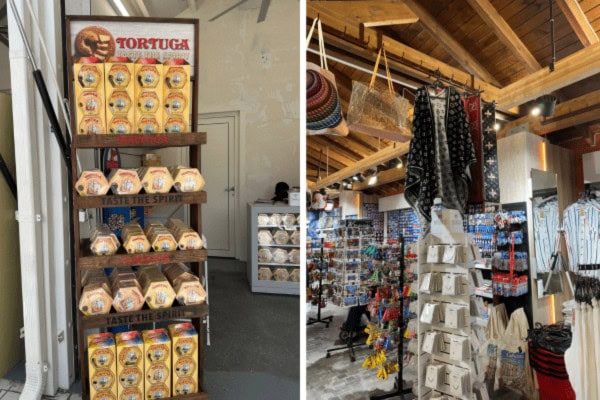
Those “amazing deals” on heavy items like pottery, large artwork, or multiple bottles of liquor can quickly become expensive when you’re paying overweight baggage fees at the airport.
Airlines’ overweight fees have increased significantly, and paying $100-200 in baggage fees can easily cancel out any savings from your port purchases.
11. Buying the First Price Offered at Markets
In most cruise port markets, the first price quoted is not the real price – it’s the starting point for negotiation. Paying without bargaining means you’re often paying 2-3 times what locals pay.
Street vendors and market sellers build in significant room for negotiation. They expect you to counteroffer and are often surprised when tourists pay full price immediately.
Smart Tip: Start by offering about 50% of the asking price in markets where bargaining is customary. Be prepared to walk away – this often brings the best offers. Remember, it’s a game, so have fun with it while being respectful.
12. Getting Lured by “One-Day Only” Sales Pitches
“Special today only because your ship is here” is one of the oldest tricks in the tourism playbook. These “exclusive” sales happen every single day for every ship that docks.
High-pressure tactics like “this price is only for your group” or “I can only offer this discount today” are designed to create false urgency and prevent you from thinking clearly about your purchase.
Smart Tip: If a deal is genuinely good, it will still be good after you’ve had time to think about it. Don’t be rushed by artificial urgency. Take time to consider whether you actually want or need the item.
13. Paying with US Dollars Everywhere
While US dollars are widely accepted in cruise ports, you often get a poor exchange rate when paying in cash. Credit cards with no foreign transaction fees or local currency usually give you better value.
Smart Tip: Use credit cards with no foreign transaction fees when possible, or get local currency from official exchange points. If you must pay in dollars, understand the current exchange rate and verify any change you receive.
14. Buying Souvenirs You Don’t Actually Want
It’s easy to get caught up in the excitement of being somewhere new and buy things you don’t really want or need. Those cute refrigerator magnets and t-shirts often end up stuffed in drawers at home.
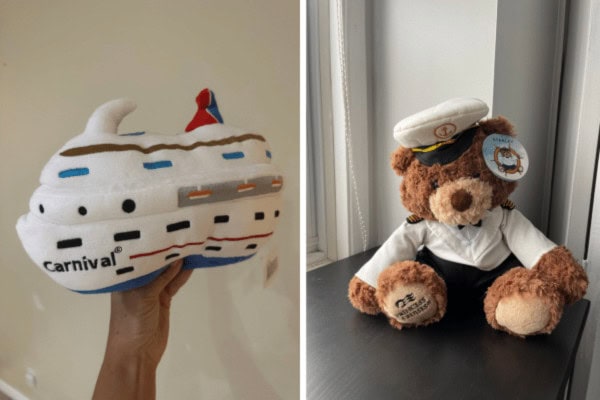
The pressure to “bring something back” from every port can lead to purchases that bring no real joy and just clutter your home later.
Smart Tip: Before you cruise, think about what types of souvenirs you actually use or display. Focus on items that have genuine meaning or utility for you. Consider taking photos instead of buying physical reminders.
15. Forgetting to Budget for Shopping
Without a set shopping budget, it’s easy to get carried away and overspend, especially when you’re having fun in a new place. Impulse purchases add up quickly across multiple ports.
Many cruisers focus on budgeting for cruise expenses but forget to account for port shopping, leading to overspending and budget stress.
Smart Tip: Decide on a realistic shopping budget before you leave home and stick to it. Consider bringing cash for shopping to make overspending more difficult. Track your spending as you go.
Common Scams to Avoid:
Beyond general shopping mistakes, be aware of these common scams in cruise ports:
Fake Vanilla: Real vanilla is expensive. Those large bottles of “pure vanilla extract” being sold cheaply in Mexican ports are often artificially flavored and may contain harmful additives.
Counterfeit Jewelry: “Gold” and “silver” jewelry at bargain prices is usually gold or silver-plated at best. Many pieces will tarnish or turn your skin green within days. Real gemstones are rarely sold at the prices you see in tourist shops.
Designer Bag Scams: Beyond the obvious counterfeits, some vendors use the “switcheroo” technique I experienced. Always inspect your final purchase and don’t let friendly conversation distract you during packaging.
Related: 19 Tourist Scams that Cruisers Need to Watch Out For
Insider Shopping Tips to Save Money in Ports:
Research before you go. Spend some time looking up the best shopping areas, markets, and what each port is genuinely known for. This helps you focus on authentic local products rather than generic tourist items.
Ask crew members where they shop when they go ashore. Crew members who regularly visit ports often know the best spots for good prices and authentic items.
Walk 5-15 minutes away from the immediate port zone. Prices typically drop significantly once you get beyond the first ring of tourist shops.
Carry a reusable water bottle to avoid overpriced drinks, and use offline maps on your phone to navigate safely to better shopping areas.
Consider what you actually need or want before leaving the ship. Having a plan helps you avoid impulse purchases and focus on meaningful souvenirs.
Making Smart Shopping Choices
The key to successful cruise port shopping is preparation, patience, and realistic expectations. Remember that you’re on vacation to create memories, not to find the deal of a lifetime.
Focus on buying things that genuinely represent your destination and that you’ll actually use or display at home. A thoughtfully chosen item that costs a bit more is better than several cheap purchases you’ll never look at again.
Most importantly, don’t let shopping stress override the joy of exploring new places. If you find yourself getting frustrated with vendors or prices, take a step back and remember that you’re in an amazing destination.
Related & Popular Posts:
- 50+ Must-have Cruise Essentials from Amazon
- What to Pack for Your First Cruise
- What To Wear on a Cruise Vacation
- 10 Things That (Almost) Always Surprise New Cruisers
- 15 Things to Bring on a Cruise from Home (to save money)
- 75 Genius Cruise Hacks and Tips
- 20+ Best Cruise Dresses: Amazon Ladies Resort Wear
- 10 Things to Never Do on a Cruise Ship Balcony
- 25 Cruise Embarkation Day Tips You Need to Know
- 12 Things to Do as Soon as You Get Into Your Cruise Cabin
- 17 Cruise Cabin Essentials Every Cruiser Needs
Final Thoughts on Cruise Port Shopping Mistakes
Smart cruise port shopping comes down to doing your homework, managing your expectations, and avoiding high-pressure situations. The most expensive mistake you can make is letting excitement override common sense.
Remember that the best souvenirs are often experiences and photos, not physical objects. That said, when you do find something special that genuinely speaks to you and represents your travels, don’t be afraid to invest in quality over quantity.
For more ways to stretch your cruise budget, check out our money-saving tips for cruisers and learn about dangerous port mistakes to avoid during your travels.