
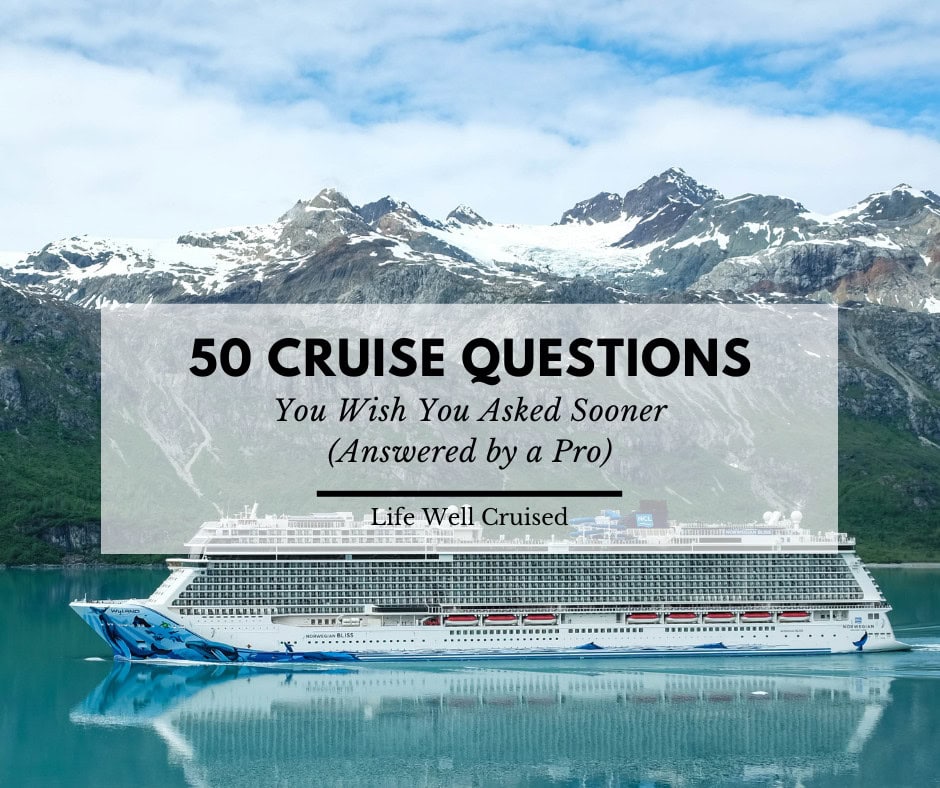
After nearly 20 years of cruising and close to 50 sailings, I’ve learned one thing for sure: every cruiser has questions, even the seasoned ones. Over the years, I’ve sailed on just about every major cruise line, from Royal Caribbean and NCL to Princess, Celebrity, MSC, Carnival, Disney and Virgin Voyages.
Along the way, I’ve toured almost every corner of a cruise ship, including areas most guests never get to see like the bridge, galley, crew quarters and even the engine control room.
All of that experience comes with a major perk: I’ve been asked every cruise question imaginable, and I’ve had the chance to answer them, test them and learn from them in real time.
So in this guide, I’m diving into some of the most valuable cruise questions people ask. The practical stuff, the “is this normal?” stuff, the “I wish I knew this sooner” stuff. You’ll get straightforward answers that will help you cruise smarter, stress less and have an even better vacation at sea.
With that said, here are 50 popular cruise questions answered!
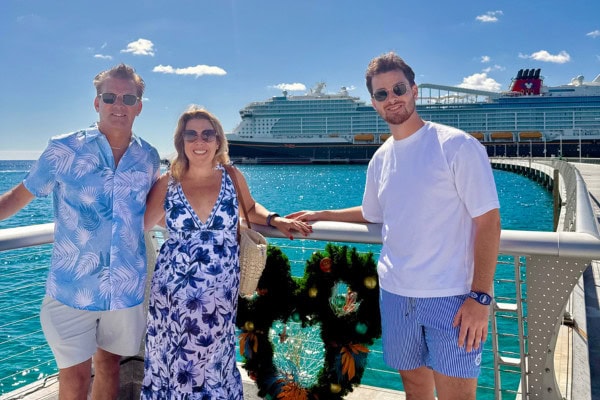
Answering 50 Popular Cruise Questions:
1. When is the best time to book a cruise to get the lowest price?
The best time to book a cruise is usually when new itineraries are first released or during major sale periods. When cruise lines open bookings for a new season, prices often start low and increase gradually as the ship fills up. Booking early gives you the best chance at lower fares, the cabin you want and the most choices for dining times.
If you missed early release pricing, the next best deals often show up during promotions like Wave Season (January to March), Black Friday and Cyber Monday and late summer sales. These times of year tend to come with perks like free upgrades, reduced deposits or extra onboard credit, which can add even more value.
Waiting for true last minute deals is risky since most ships sail full now. If you are flexible with dates and cabin types, you might find a bargain, but for most cruisers it is much smarter to book early, watch for price drops and adjust if a better promotion appears. I always recommend keeping an eye on your reservation because cruise lines will often honor a lower price if the fare drops and you request a price adjustment.
2. How do I avoid noisy cabins or bad locations on the ship?
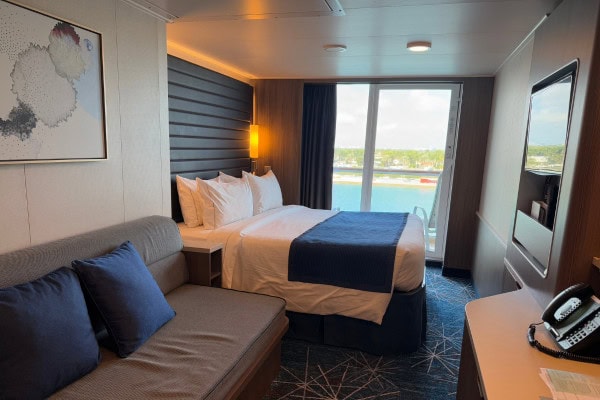
To avoid a noisy cabin, the best rule of thumb is to look at what is directly above, below and beside your stateroom. Try to avoid cabins that are right next to elevators, under the lido deck, near the gym, or above busy bars and lounges.
These areas can have constant foot traffic, early morning setup noise or late night music.
Over the years, we have only had one cabin that was truly noisy, but it taught me an important lesson. It was a beautiful aft balcony cabin, but it ended up being directly below the outdoor seating area of the buffet. Every morning around 6 a.m., we could hear the crew setting up for breakfast.
The scraping of chairs and tables created a loud vibrating sound that woke us up each day. The view and balcony were stunning, but the noise was definitely a drawback.
If you want the quietest experience, choose a cabin surrounded by other cabins on all sides. These “sandwiched” locations tend to be the most peaceful and are worth seeking out if you are a light sleeper.
3. How early should I arrive at the cruise port on embarkation day?
This can vary by cruise line, but in general it is best to follow the boarding time assigned to you and arrive slightly before it. Many cruise lines now use scheduled arrival windows to manage crowds, so sticking close to your time usually gives you the smoothest check in experience.
If your cruise does not assign a specific time, it really comes down to your preference. Some cruisers like to arrive later in the afternoon to avoid the early morning rush. This can work well if you want a quieter, more relaxed check in.
Personally, I try to board early whenever possible. Embarkation day is one of the most exciting parts of a cruise and getting on the ship earlier gives you more time to enjoy lunch, explore, make reservations and settle in.
In recent years, the embarkation process has become faster and much more efficient, so arriving early often means you will be walking onto the ship sooner than you might expect.
4. How is the food on cruise ships?
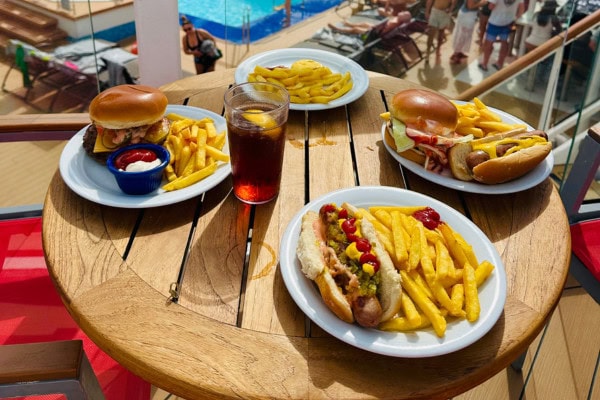
Cruise ship food can vary a lot, and not just from cruise line to cruise line. It also varies from ship to ship within the same brand. For example, the food you experience on a seven night Celebrity cruise on Celebrity Xcel will be different from what you get on a short three night sailing on Celebrity Silhouette.
Another thing to keep in mind is that each cruise line caters to a different style of traveler. Cruise lines like NCL, Royal Caribbean and Carnival tend to offer more casual, family friendly options with a wide variety of choices. On Princess or Holland America, the menus usually lean more traditional, with classic dishes and a slightly more refined presentation.
Most cruise ships offer a mix of included dining and specialty restaurants, so there is usually something for every taste. If food is an important part of your vacation, it can be helpful to choose a cruise line and ship that match the dining style you enjoy most.
Related: Best Foodie Cruises: The Ultimate Guide to Culinary Excellence at Sea
5. What are the quietest places on a ship to relax without crowds?
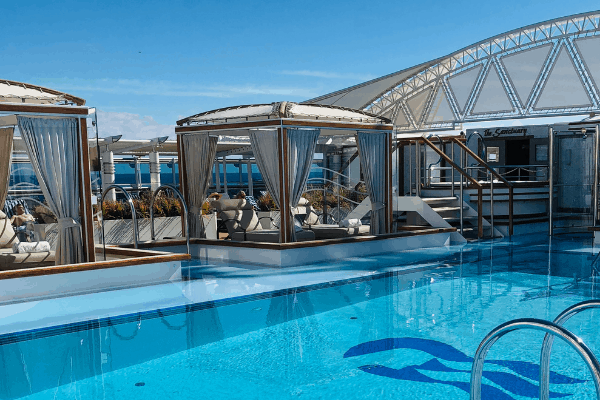
Most cruise ships have hidden pockets of calm where you can escape the noise and crowds. One of the easiest places to find peace is in the lounges and bar areas that are not in the main traffic zones. These spaces often sit empty during the day and make great spots to read, work or simply unwind.
The upper decks are another good option. If you walk past the main pool area and head toward the forward or aft sections, you can usually find quiet rows of lounge chairs where very few people wander. These spots are perfect for soaking up the sun without the constant activity.
Many cruise ships also have adult only areas, which are some of the most peaceful spaces onboard. These zones often include quiet pools, hot tubs, shaded loungers and a more relaxed atmosphere without the noise of the main pool deck.
Some ships also have libraries, card rooms or dedicated relaxation lounges. These spaces are designed for quiet time and are wonderful for reading, journaling or enjoying a coffee in a peaceful setting.
6. Is Cruising Just For Old People?
As a 25 year old who has been cruising my whole life, I feel like I have answered this question more times than I can count. The truth is that cruising is absolutely for everyone. Yes, some cruise lines naturally attract an older crowd and others draw in young families, but the idea that cruising is only for seniors is very outdated.
What really matters is choosing a cruise line and ship that match your travel style. If you want a lively atmosphere with shows, nightlife and plenty of activities, lines like Royal Caribbean, NCL, MSC and Virgin Voyages are great fits. If you prefer something calm, traditional and relaxed, Princess, Celebrity and Holland America might be perfect.
There is a cruise for every age, every interest and every type of traveler. Once people get onboard and see how much variety there is, they usually realize cruising is one of the most flexible vacations you can take.
7. Are drink packages worth it, or should I pay as I go?
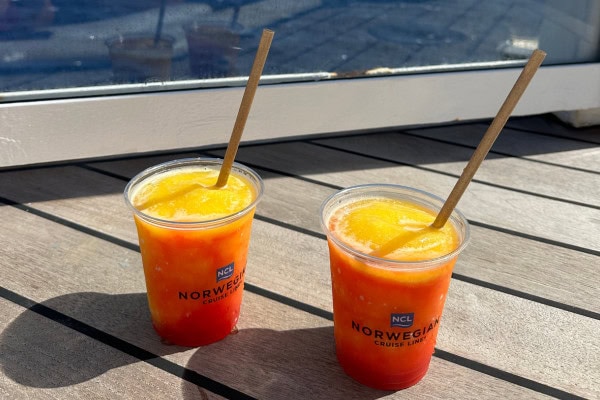
This really depends on the type of cruiser you are. Most cruise line drink packages only make financial sense if you plan to drink around three to four alcoholic beverages a day. That number can vary based on the cruise line, the price of individual drinks and whether specialty coffees or bottled water are included.
Another important thing to know is that most cruise lines require every adult in the same cabin to purchase the drink package if one person buys it. This policy can make the total cost add up quickly, so it is something to consider before you commit.
You should also think about your itinerary. On a port intensive cruise, you may be off the ship most of the day and not using the package as much. Sea day heavy itineraries tend to get you more value.
The biggest benefit of a drink package is the peace of mind. You do not have to think about the bill, and you can try new cocktails, wines or coffees without worrying about the price. If you enjoy that all inclusive feeling and you know you will use it consistently, a drink package can be worth it. If not, paying as you go might save you money.
8. Can I ask my cabin steward for extra items like pillows or robes?
Yes, absolutely. You can ask your cabin steward for a variety of extra items to make your stay more comfortable. Common requests include extra pillows, robes, an ice bucket, additional hangers, extra towels, blankets, a mattress topper and even wine glasses.
Cabin stewards are incredibly accommodating and will do their best to help with any reasonable request. If you need something, just let them know early in the cruise so they can take care of it for you.
9. What is a muster drill?

A muster drill is a mandatory safety briefing that every passenger must complete before a cruise ship can leave port. It is designed to show you where your muster station is and what to do in the unlikely event of an emergency.
In the past, passengers had to gather in large groups on the deck or in lounges for a live demonstration.
Today, most cruise lines use an updated process called e-muster. With e-muster, you watch a short safety video on your phone or on the TV in your cabin. The video explains things like how to put on a life jacket and where to go if there is an emergency.
After watching the video, you simply walk to your assigned muster station at some point before sailaway and check in with a crew member. They scan your card or look you up in the system, and you are done. The process is quick, easy and far more comfortable than the old style drills.
10. How much cash should I bring on a cruise?
The amount of cash you bring really depends on how you plan to spend money in port and how much you want to tip crew members or tour guides. Most ports accept credit cards, so you usually do not need large amounts of cash, but it is still smart to carry some small bills for markets, taxis, snacks and local vendors.
I always recommend bringing a mix of small denominations for tips and casual purchases, along with at least one credit card for anything bigger. Most cruise ships also have ATMs onboard, although the fees can be high.
11. Is Wi-Fi reliable at sea and is it worth purchasing?

Most cruise ships today use Starlink, which has made Wi-Fi at sea much faster and far more reliable than it used to be. Speeds can still vary depending on the ship and location, but overall it has become strong enough for browsing, social media, messaging and even video calls on many sailings.
It is also becoming more affordable compared to past years.
If you plan on using your phone, staying in touch with family or posting on social media throughout the trip, purchasing a Wi-Fi package is a good idea. It gives you peace of mind and lets you stay connected without worrying about roaming fees.
If you prefer to disconnect and enjoy the break from screens, then you do not need to purchase it. Cruise vacations are one of the easiest times to unplug completely, so it really comes down to your personal preference.
12. What’s the tipping etiquette for cabin stewards, dining staff, and bartenders?
Tipping on a cruise often comes down to personal preference, but it is always appreciated. Your automatic gratuities or service charges already cover the basics for the crew, so anything extra is simply a way to thank them for great service.
If you have a bartender who remembers your name or goes out of their way to make your experience better, giving them a few dollars at the end of the evening is a thoughtful gesture. The same goes for dining staff who provide exceptional service throughout your cruise.
Many cruisers also like to give a small cash tip to their cabin steward at the end of the sailing, especially if they were friendly, helpful or attentive with special requests. Even a modest amount can mean a lot.
While extra tipping is never required, it is a nice way to show appreciation to the crew members who make your cruise experience so enjoyable.
13. Where is the best cabin for cruisers who might get seasick?
If you are prone to seasickness, the best cabin location is midship on a lower deck. This area feels the least amount of movement because it is closest to the ship’s center of gravity. Cabins that are all the way forward or all the way aft tend to feel more motion, especially when the seas are rough.
Balcony cabins can also help some people feel better because having access to fresh air and being able to look at the horizon can reduce nausea. If your budget allows for it, a midship balcony is ideal.
No matter which cabin you choose, it is always a good idea to bring motion sickness medication or remedies like ginger candies, acupressure bands or patches, just in case. Keeping hydrated and spending time outside can also make a difference.
14. What happens if my luggage arrives late to my cabin on embarkation day?
It is completely normal for luggage to take a little time to reach your cabin on embarkation day. Most bags are delivered fairly quickly, but it can take a few hours depending on the size of the ship and when you checked your luggage with the porters.
This is why it is so important to bring a carry on bag with everything you might need for the first day. Pack a change of clothes, essential documents, medications, valuables and anything else you would not want to be without. In the very rare case that a bag is delayed or misplaced, you will be happy you have these items with you.
Most of the time, your luggage will be waiting outside your cabin long before dinner, but being prepared makes embarkation day much less stressful.
15. Which cruise line is best For families?

There are several cruise lines that are fantastic for families, and the best choice really depends on the type of vacation you want. Overall, the top family friendly options include Royal Caribbean, Norwegian Cruise Line, MSC Cruises, Carnival and Disney. These lines offer great kids clubs, plenty of activities and lots of entertainment for all ages.
An honourable mention is Princess, which is especially good for multi generational travel. They offer a nice balance of activities for kids, adults and grandparents, making it a great choice for larger family groups.
Each of these cruise lines brings something unique to the table, so the best option will depend on your family’s style and budget.
16. What should I do if I get sick on a cruise?
If you get sick on a cruise, the first thing to do is visit the onboard medical center, often called the infirmary. Every cruise ship has trained medical professionals who can assess your symptoms, provide treatment and let you know whether you should rest, take medication or follow specific precautions.
The infirmary is equipped to handle common illnesses like colds, stomach bugs, minor injuries and seasickness. If you are unsure whether you need to see a doctor, it is always better to go and ask for advice. They are there to help, and getting proper care early can prevent things from getting worse.
If you feel unwell, you should also rest in your cabin, stay hydrated and avoid pushing yourself until you start feeling better.
17. Are formal nights still a thing and what should I wear?

Yes, formal nights still exist, but they are much more relaxed than they used to be. Years ago, formal night meant suits, ties and evening gowns. Today, the dress code is far more flexible on most mainstream cruise lines.
Depending on the cruise line, you will still see some men wearing suits or sport jackets and women wearing cocktail dresses or elegant outfits. However, many passengers choose a more casual approach. Nice dresses, dress shirts, polos and smart casual outfits are all perfectly acceptable on most ships.
Most cruise lines do not strictly enforce formal night attire, especially in the main dining room. If you prefer to keep it simple, a collared shirt and clean pants for men or a sundress or blouse and skirt for women will fit in just fine.
The key is to look neat, polished and cruise ready without stressing over it.
18. Do cruise lines allow you to bring wine, soda, or snacks onboard?
This varies from cruise line to cruise line, but there are some common rules you can generally expect.
Most major cruise lines allow each guest over the age of 21 to bring one bottle of wine or champagne onboard at embarkation. Some lines charge a corkage fee if you drink it in the dining room, while others allow you to enjoy it in your cabin for free.
Policies for soda are different on each line. Some cruise lines allow guests to bring a small case of soda, water or juice per cabin, while others do not allow any non alcoholic beverages to be brought onboard. It is important to check the rules for your specific cruise line before packing.
As for snacks, most cruise lines allow passengers to bring dry, pre packaged snacks. Things like granola bars, crackers, chips and candy are usually fine. Anything fresh or homemade is typically not allowed due to food safety rules.
Since every cruise line handles this a little differently, it is always best to double check their latest policy before you sail.
19. Should I book shore excursions with the cruise line or independently?

This really comes down to your comfort level, budget and the type of experience you want. Both options can be great, but they offer very different advantages.
Booking with the cruise line is the easiest and most convenient option. The biggest benefit is peace of mind because the ship will wait for you if your excursion runs late.
Cruise line tours are also well organized, easy to book through the app and perfect for first time cruisers or anyone who prefers a stress free day in port. The downside is that they can be more expensive, and the groups are often larger.
Booking independently gives you more flexibility and often smaller, more personalized tours. Independent operators can be more affordable and sometimes offer unique experiences that the cruise line does not.
The downside is that the ship will not wait if you return late, so you need to plan carefully and choose reputable companies with strong reviews.
The best choice depends on your travel style. If you prefer convenience and peace of mind, book through the ship. If you want more freedom, smaller groups and better pricing, an independent excursion can be a great option. Many experienced cruisers even mix both depending on the port.
20. What’s the difference between the main dining room and specialty dining?
The main dining room is included in your cruise fare and offers a sit down restaurant experience with a rotating menu each night. You can enjoy appetizers, entrees and desserts at no extra cost, and the food is usually quite good.
It is a great option if you want a traditional cruise dining experience without spending more.
Specialty dining refers to the restaurants that cost extra. These venues offer a more upscale or themed experience, such as steakhouses, Italian restaurants, sushi bars and chef inspired menus.
The food is often higher quality and the atmosphere is more intimate, but you will pay an additional fee to dine there.
Think of the main dining room as your included restaurant that changes nightly, and specialty dining as a special treat if you want something a little different or more elevated. Both can be great depending on the night and your mood.
21. Is cruise specialty dining worth it?
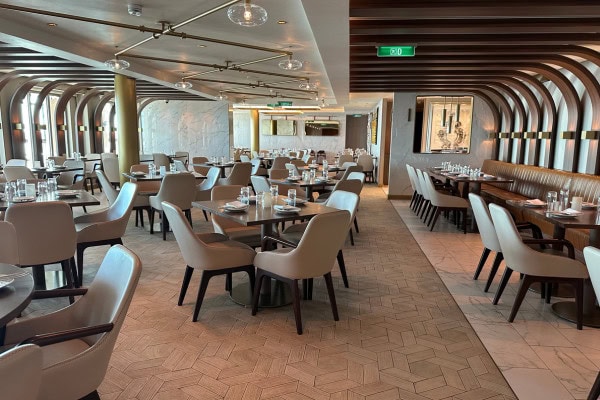
For many cruisers, specialty dining is absolutely worth it. These restaurants offer an enhanced dining experience with higher quality ingredients, more creative menus and a more intimate atmosphere than the main dining room. The service also tends to be more personalized, which makes the meal feel special.
Specialty restaurants are a great option for date nights, celebrations or simply treating yourself to something different. While there is an extra cost, many guests feel the upgrade in food and experience is well worth it.
If you enjoy great meals and want a night that feels a little more elevated, specialty dining is definitely worth trying at least once during your cruise.
22. How safe is it to cruise solo both on the ship and in port?
Cruising solo is generally very safe, both onboard and in most ports. Cruise ships have security teams, cameras and strict access control, so the onboard environment is secure and well monitored.
Many solo travelers feel more comfortable on a cruise than almost any other type of vacation.
When you are in port, basic travel awareness is important. It is best not to wander too far off on your own, especially in unfamiliar areas. Stick to well populated spots, avoid walking around alone at night and keep your belongings secure.
Booking organized excursions, either through the cruise line or a reputable independent operator, is a great way to explore safely.
Many solo cruisers also meet others onboard through meetups, social events or just chatting at dinner or at the bar. Teaming up for port days or excursions can make exploring more fun and more comfortable.
23. Can I stay onboard the ship instead of getting off in ports?

Yes, you can absolutely stay onboard during port days. In fact, it is one of the best ways to enjoy a quieter, more relaxed ship.
Pools, lounges and popular areas are usually less crowded, and you can take advantage of spa deals or onboard activities. It is a peaceful way to enjoy the ship at your own pace.
24. Is it better to book future cruises onboard?
Yes, booking a future cruise onboard can be a great idea. Most ships have a future cruise desk where staff can help you choose your next sailing, and there are often special perks for booking while you are still on the ship.
These can include reduced deposits, extra onboard credit and sometimes even lower fares. If you already know you want to cruise again, booking onboard is an easy way to get a little extra value.
25. What should I do if the ship’s itinerary changes or a port is canceled?
If your itinerary changes or a port is canceled, the best thing to do is stay flexible and follow the updates provided by the cruise line. Changes can happen due to weather, safety concerns or port conditions, and cruise lines always prioritize guest safety.
When a port is canceled, the cruise line will usually replace it with another port or add an extra sea day. If you booked an excursion through the cruise line, you will receive an automatic refund. For independent excursions, you will need to contact the operator directly.
While it can be disappointing, itinerary changes are part of cruising. The onboard team will do everything they can to adjust activities and keep your vacation enjoyable.
26. How do I pay for things onboard?

On a cruise ship, you do not use cash or credit cards for day to day purchases. Everything is charged to your onboard account using your cruise card or wearable device.
At the end of the cruise, your linked credit card is billed, or you can settle the balance with cash before disembarkation. It is a very easy, cashless system.
27. Can I do laundry on a cruise ship?
Yes, many cruise ships offer ways to do laundry during your trip. Some ships have self service laundry rooms with washers, dryers and ironing stations that passengers can use for a small fee.
All ships also offer paid laundry services where you can send out your clothes to be washed, folded or dry cleaned. It is convenient if you want to pack light or freshen up your clothes mid cruise.
28. Are kids clubs free, and what age groups are they best for?

Most cruise line kids clubs are completely free during the day and are designed for a wide range of ages. Typically, programs start as young as three years old and go all the way up to teens. Younger children enjoy supervised play and activities, while older kids and teens get their own lounges with games and age appropriate events.
Some cruise lines may charge for late night group babysitting or special activities, but the main kids club programming is usually included in your cruise fare. Kids clubs are a great fit for families and give children a safe, fun place to make friends while parents enjoy a little downtime.
29. Where does the crew stay onboard a cruise ship?
Crew members live in dedicated crew areas on the lower decks of the ship. These spaces include shared cabins, crew dining rooms, lounges and even their own gym or recreation areas.
While passengers never see most of these sections, they function like a small community where the crew lives, eats and relaxes when they are off duty.
30. What kind of entertainment is on a cruise ship?
Cruise ships offer a wide variety of entertainment, and there is something for every style of traveler. You can expect Broadway style shows, live music, comedians and themed game shows in the main theater.
Many ships also have karaoke, nightclubs, piano bars and outdoor movies under the stars.During the day, there are trivia games, poolside contests, workshops and activities for all ages.
Larger ships may even have ice shows, acrobatics, escape rooms or water parks to keep things exciting throughout the cruise.
31. Do I need to bring beach towels on a cruise?
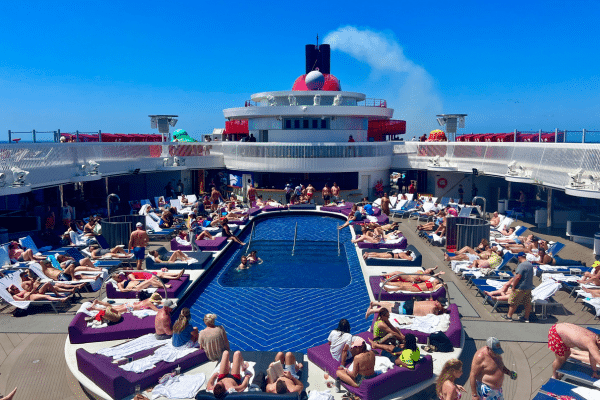
No, you do not need to bring beach towels on a cruise. Cruise lines provide pool and beach towels that you can take to the pool deck or off the ship for beach days and excursions.
Just remember to return them so you are not charged. Bringing your own towel is optional, not necessary!
32. Is it safe to drink the water onboard?
Yes, the water on cruise ships is very safe to drink. Cruise lines use advanced filtration and purification systems that meet strict health and safety standards.
You can drink the tap water in your cabin, fill a bottle at the buffet drink stations and use the water served in restaurants with confidence.
33. What happens if I test positive for an illness during my cruise?
If you test positive for an illness during your cruise, the medical team will guide you on the next steps. In most cases, you will be asked to isolate in your cabin for a period of time to prevent spreading it to others.
The onboard medical staff will check on you, provide treatment if needed and make sure you are comfortable. Depending on the situation, the cruise line may deliver meals to your cabin and assist you with any required documentation for travel or insurance.
34. How do I avoid getting sunburned or overheated at sea?
The sun can feel much stronger at sea, so protecting yourself is important. Apply sunscreen frequently, wear a hat and seek shade during the peak midday hours.
Staying hydrated is key, so drink plenty of water throughout the day, especially if you are spending time on the pool deck. Taking short breaks indoors to cool down can also help you avoid overheating and enjoy your time in the sun safely.
35. What happens if I miss the ship in port?

Missing the ship in port is every cruiser’s worst nightmare, but it is also very rare. If it does happen, the ship will depart without you because it cannot delay departure for individual guests.
The cruise line will leave your travel documents with port authorities, and you will be responsible for arranging transportation to the next port or home at your own expense.
To prevent this from happening, always return to the ship well before the all aboard time, not the departure time. Booking shore excursions through the cruise line provides the most peace of mind because the ship will wait or arrange transportation if your tour is delayed.
If you explore independently, keep track of time, stay close to the port and build in extra buffer time.
A little planning and awareness go a long way in making sure missing the ship stays just a story you hear about, not one you experience.
36. Can I bring a refillable water bottle, and where do I fill it?
Yes, you can definitely bring a refillable water bottle on a cruise, and it is a great idea. You can fill it at the buffet drink stations using cups, or directly from the tap in your cabin since the water onboard is safe to drink.
Many cruisers also fill their bottles in the gym or at bars where the staff is happy to help. It is an easy way to stay hydrated throughout your trip.
37. What’s the best way to navigate a large ship without getting lost?
One of the best ways to feel comfortable on a large ship is to watch ship tour videos on YouTube before your cruise. This gives you a good sense of the layout and where major areas are located before you even step onboard.
Once you board, take some time on the first day to explore. Make note of key venues like the main dining room, pool deck, buffet and theater so you can easily find your way back later.
Every cruise ship also has deck maps posted near the elevators, and these are incredibly helpful when you need directions. After a day or two, the ship will start to feel much smaller and easier to navigate.
Related: First-Time Cruiser? Here’s How to Find Your Way Around the Ship
38. Are cruise ship gyms fully equipped?
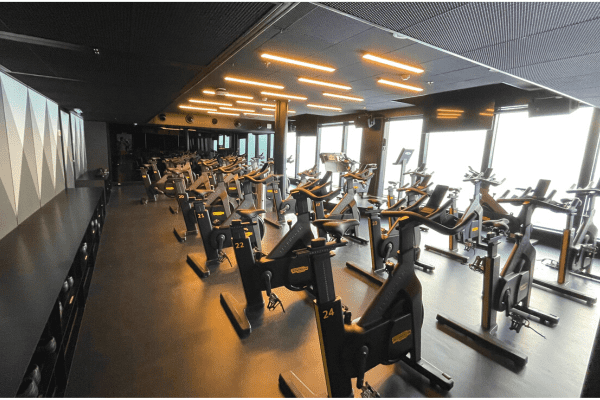
Yes, most cruise ship gyms are surprisingly well equipped. You can expect treadmills, ellipticals, stationary bikes, free weights and strength training machines.
Many ships also offer yoga, Pilates or spin classes for an additional fee. While the size varies by ship, the fitness centers are modern, clean and perfectly suitable for staying active during your cruise.
39. Are cruises really all-inclusive?
This really depends on the cruise line and the fare you book. Most mainstream cruise lines include your accommodations, basic dining options and standard beverages like water, tea, coffee and some juices.
However, many extras are not included, such as alcoholic drinks, specialty dining, Wi-Fi, specialty coffees, spa services and shore excursions. Some cruises feel more all inclusive than others, especially luxury lines or higher tier fares.
The key is knowing what is included before you book so there are no surprises once you are onboard.
40. Do cruise lines accommodate food allergies or dietary restrictions?
Yes, cruise lines do a very good job of accommodating food allergies and dietary restrictions. Most cruise lines can handle common needs such as gluten free, dairy free, vegetarian, vegan and low sodium diets, as well as serious food allergies.
On a Carnival cruise last year, we had the chance to tour the galley and speak with the head chef, who explained just how seriously they take dietary requests. The culinary team follows strict procedures to avoid cross contamination and prepares alternative meals separately when needed.
If you have an allergy or dietary restriction, it is important to note it when you book and also speak with the dining staff once onboard. Cruise lines make a real effort to ensure dining is safe, enjoyable and stress free for everyone.
41. Is it possible to stay on a cruise after the sailing is complete?
Yes and no. Once a cruise ends, all passengers must disembark, so you generally cannot just stay onboard on a whim. The ship needs to clear customs and prepare for the next group of guests.
However, many cruisers choose to book back to back sailings on the same ship. In these cases, you complete one cruise and then stay onboard for the next one.
Back to back cruising is a popular option for travelers who want a longer vacation without switching ships. If you are interested in doing this, it is best to plan and book both sailings in advance.
42. Does the cruise line celebrate birthdays or anniversaries onboard?
Yes, cruise lines do celebrate birthdays, anniversaries and other special occasions. Many cruisers choose to mark the celebration by booking a specialty dining experience, spa treatment or a special shore excursion.
Most cruise lines also offer packages where you can order cakes, champagne, flowers or even have your cabin decorated for the occasion. In some cases, your dining team may surprise you with a small celebration at dinner if they know it is a special day.
If you are celebrating something important, it is worth letting the cruise line know in advance so they can help make it extra memorable.
43. Are there quiet times to use the pool without crowds?
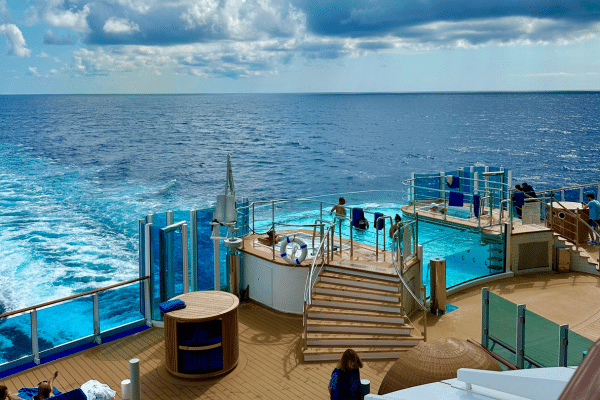
Yes, there are definitely quieter times to enjoy the pool. Early mornings are usually the best, especially before breakfast when most passengers are still getting ready.
Port days are another great time because many guests are off the ship. Late afternoon, after the peak sun hours, can also be surprisingly calm. If you want a peaceful swim, these windows are your best bet.
44. What happens if my cabin key card stops working?
If your cabin key card stops working, just head to Guest Services and they will quickly reissue or reactivate it for you. Cards can occasionally demagnetize or glitch, so it is a common fix.
If it happens late at night, you can also ask a nearby crew member to let you into your cabin temporarily until you get a new card. It is an easy problem to solve and usually takes only a minute.
45. What should I pack in my embarkation day carry-on bag?
Your embarkation day carry on bag should include anything you might need before your luggage arrives. This means important documents like your passport or cruise paperwork, as well as any medications, valuables and electronics you do not want to check.
It is also a good idea to pack an extra outfit for the evening in case your luggage arrives later in the day. If you plan on using the pool or hot tubs, include a bathing suit and essentials like sunscreen, sunglasses and towel clips.
Having these items with you makes embarkation day much more comfortable and stress free.
46. Do cruise ships really enforce dress code rules?
Most cruise lines are fairly lenient when it comes to dress codes, especially compared to years past. That said, there are still a few rules that are enforced. For example, bathing suits are not allowed in the main dining room, and guests are expected to be properly covered in indoor dining venues.
Cruise line staff generally do not want to police what passengers wear on vacation, and the focus is on keeping the atmosphere comfortable for everyone. As long as outfits are neat and appropriate for the venue, there is usually no issue.
At the end of the day, following the basic dress code is about being respectful of fellow cruisers and the shared spaces onboard.
Related: 10 Dress Code Mistakes You’ll Regret Making on a Cruise
47. Can I attend multiple shows in one night?
Yes, you can often attend more than one show in a single night. Many cruise ships offer early and late performances, along with smaller lounge shows, live music and comedy acts throughout the evening.
If you plan your schedule, it is easy to catch a main theater show and then enjoy another performance or activity afterward. There is always plenty happening onboard.
48. How do I stay in shape on a cruise?
Most cruise ships make it easy to stay active if that is your goal. Nearly all ships have fitness centers, sports courts and outdoor walking or jogging tracks. Many also offer fitness classes like yoga, spin or strength training for an extra fee.
Cruise lines have also improved their healthy food options in recent years. Buffets and main dining rooms usually offer fresh salads, grilled proteins and lighter dishes, and some ships even have smoothie bars or fresh juice stations.
That said, staying in shape on a cruise can be challenging. With so many tempting food options, it is easy to overindulge.
From personal experience, I can say that balance is key. Cruise ships do offer plenty of healthy alternatives, and choosing a mix of activity, smart food choices and enjoying treats in moderation makes it very doable.
49. Will I fall overboard on a cruise ship?
This is one of the most common questions I get from new cruisers or people who are curious about cruising. The simple answer is that unless you actively try, it is extremely unlikely to fall off a cruise ship.
Railings are very high and designed with strict safety standards, and even in rough weather it is not something that happens accidentally.
That said, it is important to always be cautious around railings and never climb, sit or lean over them. Cruise ships are safe environments, but common sense still matters.
If you are cruising with children, it is especially important to explain the risks and set clear rules about not climbing or playing near railings. With basic awareness and safety habits, cruising is one of the safest ways to travel.
50. What is the best cruise line?
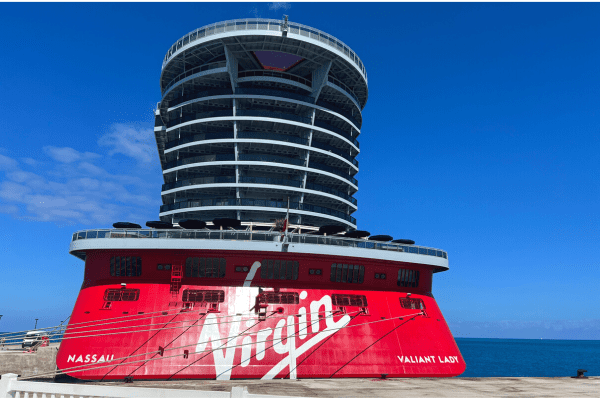
This is one of the most common questions people ask, and for me, the answer really depends on the experience you are looking for. One of the best things about cruising is that there truly is something for everyone.
If I value the destination and overall travel experience, cruise lines like Holland America and Princess are great choices. If I am looking for a fun, high energy atmosphere with a party vibe, I might lean toward Norwegian Cruise Line, Carnival or MSC Cruises. If world class entertainment and adventurous onboard activities are the priority, Royal Caribbean stands out.
That said, the cruise line that currently checks the most boxes for me is Virgin Voyages. I love their top notch dining, their entertainment is completely different from anything you will find on other cruise ships, and they offer some really interesting itineraries.
The best cruise line is ultimately the one that matches your travel style, budget and vacation goals.
Related & Popular Posts:
- 50 Must-have Cruise Essentials from Amazon
- 60 Cruise Packing Tips & Hacks All Cruisers Need to Know
- 27 Cruise Dining Tips for First Time Cruisers
- The Best New Cruises Coming in 2024
- 10 Ways to Get Treated Like a VIP on a Cruise Ship
- 13 Hidden Features You’ll Find in a Cruise Ship Cabin
- 30 Cruise Cabin Essentials Every Cruiser Needs
- 12 Smart Ways to Escape the Crowds on a Cruise Ship
Have more cruise questions? Please drop them in the comments and I will answer them in a future post!
Happy cruising!
Ethan