Planning a Canada and New England cruise? These cruises seem simple enough, yet they’re full of surprises that catch many travelers off guard. From weather that changes in minutes to must-try foods and ports where you absolutely need a plan, there’s more to know than you might think.
15 Things You Need to Know Before Your Canada New England Cruise
1. The Vibe Is More Alaska Than Caribbean
If you’ve cruised the Caribbean before, adjust your expectations. The Canada New England vibe feels closer to an Alaska cruise than a Bahamas party cruise. Think casual atmosphere, stunning scenery, and friendly locals who make each port special. You won’t find the same high-energy party scene, and honestly, that’s part of the charm.

2. Not All Canada New England Itineraries Are the Same
Here’s something that surprises people: this region offers incredibly diverse itineraries. The most common option is a 7-day round trip from New York, New Jersey, or Boston. Some itineraries run between Boston and Quebec City, which gives you extra time to explore both cities before and after your cruise.
You might even find cruises departing from Montreal, though these are rarer since ships need to be smaller to fit under the bridges. Cruise lengths vary too, from quick 7-day trips to longer 10-day voyages that visit six or more ports.
3. Timing Your Cruise: Weather and Fall Foliage
When should you go? That depends on what you want to experience. Canada New England cruises typically run from June through early November. If fall foliage is your priority, aim for late September through mid-October, though nature doesn’t follow a strict schedule.
The weather in this region is unpredictable, much like Alaska. Fall colors might peak in late September one year and mid-October the next. I prefer cruising during summer or late August into early September when temperatures hover in the high 60s to low 70s Fahrenheit. September often brings beautiful sunny days with comfortable temperatures.
That said, rain can happen anytime. I know someone who cruised in June and experienced rain five out of seven days with unseasonably cool weather. Better to be prepared than caught off guard.
4. Pack Smart: What You Actually Need
Here’s your essential packing list. Bring both a rain jacket and an umbrella, not just one or the other. Layer with sweatshirts since mornings start cool, afternoons warm up, then evenings get chilly again. A comfortable, water-resistant backpack is essential for port days.
Consider packing binoculars for spotting marine life and wildlife from the ship or in cruise ports. Good walking shoes are non-negotiable since you’ll encounter everything from cobblestones in Quebec City to dirt trails in other ports. Check out our complete Canada New England packing guide for more details.
5. Dress Codes Vary by Cruise Line
Your cruise line choice affects how you’ll dress. Norwegian Cruise Line leans casual throughout the cruise. Princess and Holland America maintain casual or smart casual standards during the day, with two formal or elegant nights on a typical 7-day sailing. Think about what you’d wear to a nice restaurant for evening dining.
6. Canadian Currency and Credit Cards
In Canadian ports, you’ll be using Canadian dollars. While American dollars are accepted, you’ll receive change in Canadian currency. There’s no $1 or $2 bill in Canada; instead, you’ll get loonies ($1 coins) and toonies ($2 coins). The $5 bill is the smallest paper currency.
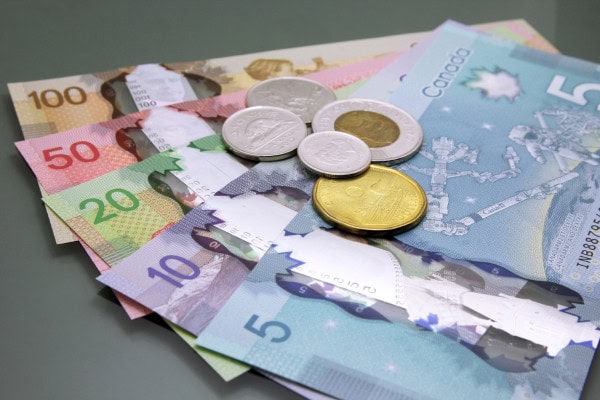
Credit cards work everywhere, and Visa or Mastercard are your safest bets. American Express isn’t as widely accepted. Here’s the good news for American travelers: your dollar goes far in Canada right now thanks to favorable exchange rates. That $20 Canadian meal costs you only about $13 USD.
7. Tipping Guidelines Are Similar
Tipping culture is consistent across both U.S. and Canadian ports. At restaurants, plan to tip 15-20% of your bill. When you book excursions, bring small bills to tip your tour guide and driver a few dollars per person. Before leaving the ship each day, make sure you have your cruise card, ID, credit card, and small bills for tipping.
8. Some Ports Require Tendering
Don’t be surprised if you encounter tender ports. Even ports with docks sometimes require tendering depending on how many ships are visiting. If you see a tender port on your itinerary, grab your tender ticket as soon as they’re available to make the most of your day.
9. Don’t Wing It in Every Port
This is a big one. Not every port lets you simply walk off the ship into a charming town. Some ports absolutely require planning, whether that’s booking a cruise line excursion, arranging a private tour, or mapping out your independent exploration. I’ll break down which ports are which in just a moment.
10. Prepare for Motion
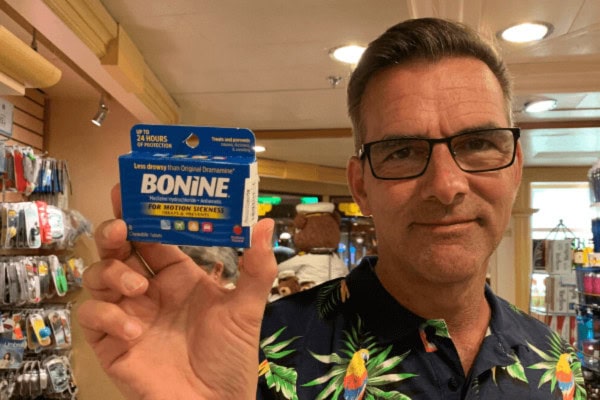
While smooth seas are common, departures from New York or Boston can bring rougher waters. Pack whatever works for you to handle motion sickness. I prefer Bonine (also called Dramamine Less Drowsy) since it doesn’t make me tired, though other options exist.
11. Canada New England Etiquette Matters
Be punctual. When excursions meet on the ship, arrive on time. Tours can leave without you, and arriving late delays everyone else.
Respect Canadian currency. Yes, it looks different from U.S. money with its colors and designs. Skip the “monopoly money” jokes since it’s real currency that deserves respect.
Avoid political commentary. Tensions run high these days. Keep cruise conversations light and friendly.
Try some French in Quebec. In Quebec City and Montreal, French is the official language. A simple “bonjour” when entering shops and “merci” for thank you goes a long way. Everyone speaks English and welcomes tourists warmly.
Keep voices down. In memorials like Halifax’s Titanic sites or in museums, maintain a respectful volume.
Respect nature. At Peggy’s Cove in Halifax, never walk on the rocks near the water despite how tempting they look. Signs warn you for good reason since wet rocks have swept people out to sea over the years.
12. Easy Ports to Explore on Your Own
Quebec City is absolutely stunning and incredibly walkable. You’ll feel like you’ve stepped into Europe rather than North America. From lower Quebec near the ship, head to upper Quebec via the funicular or on foot. Visit Château Frontenac, stroll the Plains of Abraham, and wander the cobblestone streets. If you have extra time, Montmorency Falls is worth the half-day trip.
Must-try foods: Poutine (french fries with gravy and cheese curds), maple everything, and fresh croissants.
Bar Harbor, Maine is perfect for independent exploration after tendering. Walk the charming streets, pop into shops, and grab a lobster roll or fish and chips. Blueberry ice cream is the local specialty. If you want an excursion, Acadia National Park is nearby.
Charlottetown, Prince Edward Island is one of my favorite places in Canada. This walkable small city offers excellent lobster and fish and chips at reasonable prices. Shops overflow with Anne of Green Gables merchandise, from postcards to chocolate to raspberry cordial. The Anne of Green Gables tour is wonderful if you’re a fan, with stops at a gorgeous red sand beach and scenic drives through green landscapes. Try Cows ice cream while you’re there.
Halifax, Nova Scotia lets you walk right off the ship to the boardwalk area. Within 10 minutes, you’ll find shops, restaurants, and the Maritime Museum. The boardwalk is great for a casual stroll, and you can easily fill a few hours without a tour.
Must-try foods: Lobster rolls, fish and chips, donairs (not everyone’s favorite but worth trying), Beavertails, and Cows ice cream.
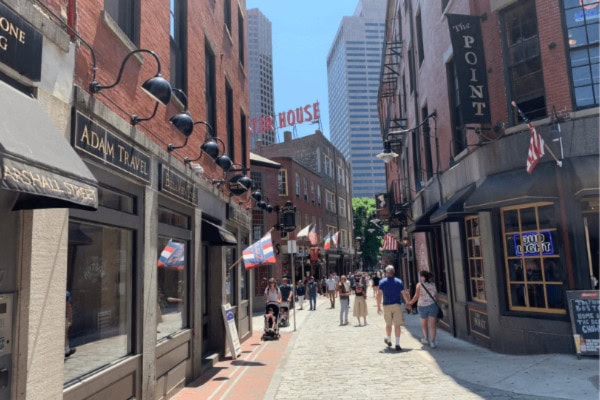
Boston, Massachusetts is manageable on your own with one caveat: the port area isn’t where you want to be. Take an Uber or transfer to Quincy Market, where you’ll find the Freedom Trail, Faneuil Hall, street performers, shops, and restaurants. Quincy Market serves excellent clam chowder and lobster rolls. In the afternoon, cross over to the North End for Regina’s Pizza and cannoli from Mike’s Pastry or Modern Pastry.
13. Ports Where You Need an Excursion
St. John, New Brunswick doesn’t offer much within walking distance of the port. Focus on Bay of Fundy experiences like the Reversing Falls or the town of St. Martins. If your tour includes the Sea Caves beach, don’t miss it. Stop at the Caves Restaurant for what might be the best seafood chowder and fish and chips of your entire cruise.
Sydney, Cape Breton Island greets you with a giant fiddle, but there’s not much else right at the port. Book an excursion to the Cabot Trail or the Fortress of Louisbourg. The Alexander Graham Bell Museum offers a couple hours of interest. If you stay near the port, you can still enjoy a walk around town, stop at Tim Hortons, and find decent poutine at a restaurant just steps from the ship.
Saguenay, Quebec is less common on itineraries, making it a real gem when it appears. As you sail through the Saguenay Fjord, be on the top deck with your camera ready for the Notre-Dame du Saguenay statue perched 600 feet above the water. Passengers receive one of the warmest port welcomes you’ll ever experience.
Excursions here are worthwhile. Visit a glass-blowing workshop, stop at the cheese factory for fresh poutine cheese you can bring home, and tour an alpaca farm. It’s a special day you won’t forget.
14. Must-Try Foods in Each Destination
- Quebec: Poutine, maple syrup, maple candies, maple cookies, croissants, and pastries
- Bar Harbor: Lobster rolls, fish and chips, blueberry ice cream
- Charlottetown: Lobster, fish and chips, Cows ice cream
- Halifax: Lobster rolls, fish and chips, donairs, Beavertails, Cows ice cream
- Boston: Clam chowder, lobster rolls, pizza, cannoli
- St. John: Seafood chowder, fish and chips
15. Souvenirs Worth Bringing Home
Stock up on maple syrup and maple candies (they’re delicious). Saltwater taffy, lobster-shaped candies and chocolate, and Anne of Green Gables merchandise make great gifts. Nova Scotia tartan items and Cows ice cream t-shirts are popular choices. Boston university gear from Harvard and other schools is a classic souvenir.
Food lovers should grab poutine cheese curds and Lay’s ketchup chips (you can’t get these in the U.S.). Here’s an insider tip: Lululemon prices in Canada match U.S. prices in their respective currencies, so $90 Canadian equals $90 USD. Buying in Canada saves you money thanks to the exchange rate.
Bonus: Connecting Quebec City and Montreal
If your cruise ends in Quebec City and you want to visit Montreal too, take the train. It’s a comfortable 4-hour ride. Book a 6:00 PM departure, store your luggage at the train station, and spend the entire day exploring Quebec City. Upgrade your ticket to include a meal for a relaxing journey to Montreal, where you can spend another day or two before flying home.
Related & Popular Posts:
- 50+ Must-have Cruise Essentials from Amazon
- What to Pack for Your First Cruise
- What To Wear on a Cruise Vacation
- 10 Things That (Almost) Always Surprise New Cruisers
- 15 Things to Bring on a Cruise from Home (to save money)
- 75 Genius Cruise Hacks and Tips
- 20+ Best Cruise Dresses: Amazon Ladies Resort Wear
- 10 Things to Never Do on a Cruise Ship Balcony
- 25 Cruise Embarkation Day Tips You Need to Know
- 12 Things to Do as Soon as You Get Into Your Cruise Cabin
- 17 Cruise Cabin Essentials Every Cruiser Needs
Enjoying an Amazing Experience
Your Canada New England cruise offers incredible experiences if you know what to expect. The combination of European charm, natural beauty, friendly people, and delicious food creates memories that last long after you return home. Safe travels and happy cruising!